Understanding what to anticipate in your very first driving lesson is the simplest method to calm your nerves and make sure that you leave to a terrific start behind the wheel.
Your very first driving lesson
Your very first driving lesson usually occurs a while after scheduling a driving lesson bundle. It’s the very first time you’ll meet your driving instructor as well as being your very first time behind the wheel, so it’s natural to feel a little worried in advance.
What to give your very first driving lesson
Your provisional licence
Comfortable shoes
If you wear them), your glasses (.
A bottle of water.
A jumper.
What takes place on your first driving lesson.
On your first driving lesson, do not expect to get behind the wheel immediately, particularly if you get gotten someplace busy. Your driving trainer will probably drive you to a better suited area prior to changing seats with you and teaching you the essentials.
What do you carry out in your very first driving lesson?
You’ll learn the cockpit drill.
You’ll be presented to the car’s controls.
You’ll learn more about clutch control.
You’ll find out how to safely move off and stop.
Your first lesson walkthrough.
Your trainer will check your provisional licence.
Your driving trainer will want to see your provisional driving licence to make certain that you’re lawfully enabled to drive. This only applies for your very first driving lesson, but make sure you keep in mind; you will not be enabled to drive without revealing your trainer your provisional.
You’ll find a peaceful location to learn.
Depending upon where your instructor is selecting you up from, you may not be able to jump straight into the driver’s’ seat and begin your very first driving lesson. If you live on a main road or in a location that gets a lot of traffic, your instructor will probably ask you to sit in the passenger seat and will then drive you to a better area such as a quiet domestic street or possibly an industrial estate.
You’ll find out the cockpit drill.
The cockpit drill is essentially just setting up the car’s seat and mirrors properly. Sounds basic, but it’s truly, actually important. Your trainer will most likely invest a great piece of your first lesson explaining how to establish the car. It’s not the most awesome lesson you’ll find out, but it’s an important one. You can save yourself a little time by practicing setting up the mirrors in your own/your moms and dads’ vehicle or reading our guide to the cockpit drill.
You’ll start with the essentials.
Do not anticipate to dive directly in and start finding out reverse around a corner, your very first driving lesson will focus on one of the most fundamental components of discovering to drive. You’ll be introduced to all the cars and truck’s controls, from the windscreen wipers to the heating system dials, and you might begin finding out how to safely move off and stop. You’ll absolutely start learning more about clutch control and how/when to inspect your blind spots.
You will get to drive.
You need to get to drive prior to the lesson is over. You won’t be doing 50mph on a dual carriageway, but you’ll almost certainly get to do a few laps or a housing or industrial estate at a reasonable speed. Believe us, on your very first driving lesson, even 30 miles per hour seems like you’re flying.
You’ll most likely stall, and that’s fine.
Stalling is the nemesis of almost every student driver and it can be really simple to let a couple of stalls frustrate you. Don’t let stalling destroy your first driving lesson, it’s a completely normal part of learning clutch control and it’s nothing to get stressed about. Your trainer has actually most likely taught hundreds if not thousands of students and will have plenty of tips to help you to get the hang of using the clutch.
Your instructor will probably spend a great chunk of your very first lesson discussing how to set up the vehicle. Don’t anticipate to dive straight in and start discovering reverse around a corner, your very first driving lesson will focus on the a lot of fundamental elements of learning to drive. You need to get to drive before the lesson is over. Think us, on your very first driving lesson, even 30 miles per hour feels like you’re flying.
Don’t let stalling ruin your first driving lesson, it’s a perfectly normal part of discovering clutch control and it’s absolutely nothing to get stressed out about.
It’s only natural to want to pass your driving test as soon as possible, after all, driving adds so much freedom to your life. Driving is also an ability that brings an enormous amount of value to your life, however there are things you must consider prior to you start finding out to drive.
Knowing To Drive & The Legal Requirements
In order to learn to drive, there are legal requirements you need to adhere to, including:
Hold a legitimate provisional driving licence, you can look for one at gov.uk here.
You can just drive a car when you are 17 years of age, however, you can look for your provisionary licence from the age of 15 years and 9 months.
Should be able to read a number plate from 20 metres away.
If you are learning to drive with a buddy or family member, by law they must be a qualified driver with a minimum of 3 years on a full vehicle driving licence, whilst being over the age of 21.
That being stated, the vehicle you discover in need to likewise be insured, taxed, have a legitimate MOT and display screen L plates on the front and rear.
If you like the idea of learning to drive with a friend/family member, or want to find out in your own cars and truck, you can get a competitive Student Driver quote here, with our award-winning insurance.
When it comes to driving lessons you need to just spend for lessons if the person is either:
An approved driving trainer (ADI), or
A student driving instructor
, if you’re not sure about an instructors credentials ask to see their Driver and Car Standards Firm (DVSA) badge.. If the badge is green it suggests they are an approved driving trainer, a pink badge suggests they’re a student. It is suggested to have up to 45 hours of driving lessons, this is something to think about prior to you begin finding out to drive.
You can likewise look for an authorized driving trainer using our helpful Find a Trainer Tool.
Practising With Household & Buddies
When practicing learning to drive with household & pals the legal requirements (above) need to all be followed. Discovering to drive in your own time, whether that’s in your own cars and truck or a family/friends car is a fantastic concept. More practice can also get you used to driving in your own vehicle.
If you feel you want to get more practice, why not get a quote Student Driver Quote here.
Is it Learning to Drive Difficult?
One element individuals quickly understand when they begin their lessons is that driving is hard! it takes a lot of time and practice, one lesson at a time you will improve and with a little perseverance and determination you will be on the roadway in your own automobile.
If the badge is green it suggests they are an authorized driving instructor, a pink badge means they’re a student. It is suggested to have up to 45 hours of driving lessons, this is something to consider prior to you start learning to drive.
When practising discovering to drive with family & friends the legal requirements (above) should all be followed. Finding out to drive in your own time, whether that’s in your own vehicle or a family/friends car is a dazzling idea. More practice can also get you utilized to driving in your own automobile.
You are most likely to feel worried on your first driving lesson. Those learner chauffeurs who are overconfident, or feel they know everything could be in for a nasty shock when they try to drive to the standards expected by the DVLA.
To help keep your nerves in check, let’s take a look at a couple of things you could expect on your first driving lesson:
The automobile and trainer
All professional driving schools have double control cars. This implies, particularly throughout the early stages of learning, you can be ensured that if something fails, the instructor can keep you safe despite the fact that you are behind the wheel.
They will get to know you so they can comprehend what you are capable of achieving in each lesson. Your instructor will take you to the next level once they acknowledge that you are confident to continue.
Things
The very first thing the trainer will do is check that you are legal to drive, so he will need to see your provisional license. Your very first lessons require to take location on peaceful, even isolated roads, so it is unlikely your first lesson will begin from outside your door.
This will take about 30 minutes of your very first lesson. Of course, if you a fast student, or currently have an excellent comprehension of a cars and truck on your first lesson, you might be doing 3 point turns, emergency stops and parallel parking prior to the end of the session.
Moving off and stopping
Yes, it is most likely you will be driving on your very first lesson. This whole procedure will include processes which you might have a hard time with at very first (pulling away; using the gears correctly; and pulling in close to the kerb) however as the lessons progress you will discover everything eventually falls into place.
If paced well, your lessons ought to be a pleasurable experience. A trainer will teach you most effectively when they understand your requirements, so tell them how you are feeling, if things are going too quickly, or if there is something you do not comprehend.
You are likely to feel nervous on your first driving lesson. They will get to understand you so they can comprehend what you are capable of attaining in each lesson. Your first lessons need to take place on quiet, even separated roads, so it is not likely your very first lesson will begin from outside your door. Of course, if you a quick student, or currently have a good understanding of a vehicle on your very first lesson, you might be doing 3 point turns, emergency stops and parallel parking before the end of the session.
Yes, it is likely you will be driving on your very first lesson.
Discovering a great driving trainer does not need to be down to luck or aimlessly trawling through Google without any idea of what to look for.
Discovering an excellent instructor is the second step towards passing your test after getting your provisionary licence and many learners hear scary stories of driving instructors either not being good teachers, or worse, crossing the line between an expert student and pupil relationship.
We have actually put together an useful guide to help you discover a good regional driving trainer who will have you test prepared in no time.
Word of Mouth
Good old fashioned word of mouth. In a world loaded with search engines, apps and social media, you’ll probably be surprised to hear that word of mouth suggestion is the very best way to discover a great driving trainer. Word of mouth relies on thinking the evaluation and decision of your most relied on buddies or household members, as opposed to entirely relying on reviews online.
You’re probably on to a winner if you have a good friend or family member who has given a particular driving instructor or driving school rave evaluations. Take word of mouth reviews as the most credible review of a driving instructor in this post.
If somebody you trust informs you to prevent a specific driving school, then you ‘d do well to follow their suggestions. Ask around and see who your good friends and household have actually heard great things about.
Trustpilot and Other Evaluation Sites
If you don’t have a word of mouth suggestion to depend on, then the next best thing is verified online evaluations. There are a lot of evaluation websites but the trick to knowing which evaluates to trust counts on the taking a look at the detail. Businesses using an evaluation platform like Trustpilot with as much as date and current positive reviews can be a good indication of how excellent the driving school could be.
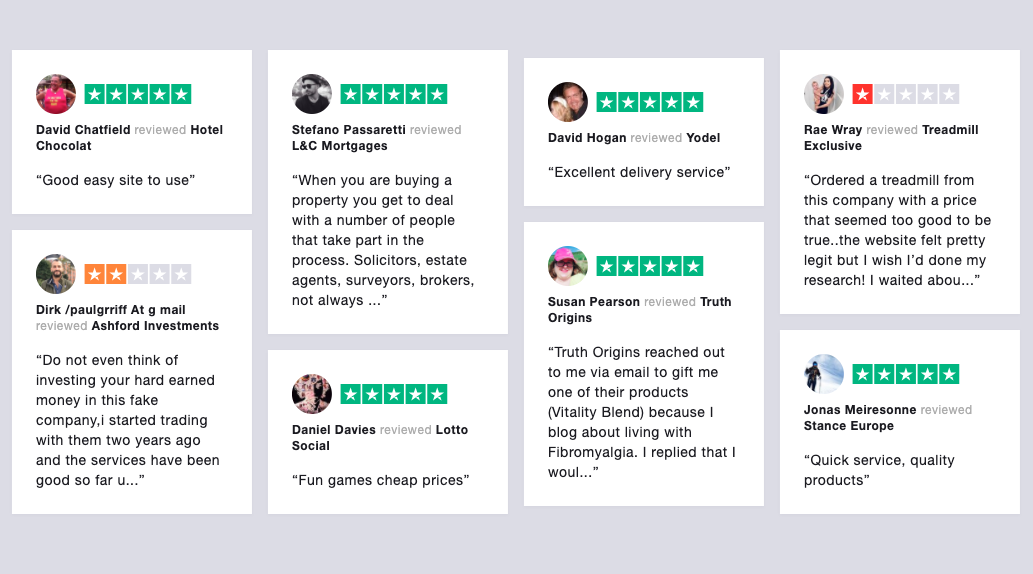
Additionally, websites like TrustPilot often have a function that shows whether the review was from a validated customer. See a screenshot from our Trustpilot account listed below and see the confirmed order icon beside the review.
When you’re confident that the evaluations are verified and as much as date, then you can be positive that the instructor will be good. It doesn’t take much to find bad driving schools by way of evaluations either. Avoid like the afflict if you see driving schools with consistently bad evaluations.
Customer Service Quality
When you decide to contact a driving school and select up the phone to schedule your very first lesson, discover how the conversation goes. For a start, did they even get the phone? Naturally it’s typical for a company to not pick the phone up if they are hectic, however if you need to chase them consistently in order to have a discussion to get rates or availability, then that is a bad indication. Either they have poor customer service, or it isn’t their fault and they are merely too busy.
In either case poor customer support should set off an alarm bell and being too hectic ought to tell you that no matter how excellent their school might be, they simply don’t have the capability for you as a pupil.
If you do manage to get through, see if it’s possible to speak straight with the individual who would be teaching you. For independent instructors, this is easy, but if you’re getting in touch with a big franchise, then it may be harder to speak to your trainer ahead of scheduling a lesson.
Examine That They Are Approved by the DVSA
No matter how excellent the referrals, reviews or customer service is, if the trainer is not approved by the DVSA then you must prevent them at all expenses. You will be surprised how many rogue operators there are across the UK who are unapproved by the DVSA.
You can check and see if the instructor you want is approved by the DVSA by browsing the DVSA approved driving trainer database
The database will likewise reveal you which instructors are signed up to the ADI code of practice, which is a structure that approved driving instructors can volunteer to register to which mentions a variety of rules of conduct covering conduct in lessons, the quality of the car, and standards of organization. But it can supply additional convenience when scheduling due to the fact that the scheme is voluntary it doesn’t always mean that the instructors not signed up aren’t excellent at their job. The main takeaway from this point is that the trainer requires to be authorized by the DVSA.
Finding an excellent trainer can be hard, but luckily here at https://www.anewdriver.ie, we work with hundreds of approved ADI’s. You can use our convenient discover a trainer tool to assist you get started. We likewise offer insurance for student drivers who wish to do private practice in addition to lessons.
In a world complete of search engines, apps and social media, you’ll probably be surprised to hear that word of mouth suggestion is the best method to discover a good driving instructor. When you’re confident that the evaluations are validated and up to date, then you can be confident that the trainer will be good. The database will likewise reveal you which instructors are signed up to the ADI code of practice, which is a structure that authorized driving instructors can volunteer to sign up to which mentions a number of rules of conduct covering conduct in lessons, the quality of the automobile, and requirements of business. Due to the fact that the plan is voluntary it doesn’t necessarily imply that the instructors not signed up aren’t great at their task, but it can supply additional comfort when scheduling. Finding a great trainer can be tough, but luckily here at https://www.anewdriver.ie, we work with hundreds of authorized ADI’s.
Can You Take Your Driving Test in Your Own Car? You Wager!
The short answer is yes, you can. You can utilize your automobile for driving lessons, private practice and take your useful driving test. Extra practice in your own vehicle suggests that you will feel more acquainted with the vehicle, which might increase your chances of passing.
While many individuals use their driving trainer’s car, having the ability to drive your own car or a good friend or family members, implies you’ll feel more positive controlling the automobile, making manoeuvers and the referral points, which all helps to make your dry run less demanding.
What you need to understand about using your own cars and truck
In order to use your own car to take your driving test, there are some things you require to check. Many of them may appear obvious, but it’s worth acquainting yourself with what is needed of your automobile to ensure its test all set.
be guaranteed for a driving test (check with your insurance provider).
If it’s over 3 years old), be roadworthy and have a current MOT (.
have no caution lights showing, for instance, the airbag caution light or engine caution light.
have no tyre damage and the legal tread depth on each tyre– you can’t have a space-saver spare tyre fitted.
be smoke-free– this implies you can’t smoke in it prior to or during the test.
be able to reach a minimum of 62mph and have a mph speedometer (which shouldn’t be an issue for basically every vehicle on the road).
have 4 wheels and a maximum authorised mass (MAM) of no more than 3,500 kg.
In addition to the above, you need to likewise guarantee you get the ideal devices and devices fitted to your lorry.
The following must be fitted to the automobile:.
an extra interior rear-view mirror for the inspector.
L-plates (‘ L’ or ‘D’ plates in Wales) on the front and rear.
a passenger seatbelt for the inspector and a correct traveler head restraint (not a slip-on type).
Can you tape the test?
You can have a dash web cam fitted to your automobile (for insurance coverage purposes), as long as it tape-records externally and you might not movie or record audio inside the vehicle. Lots of dash cameras enable you to disable the audio. This is likewise great to understand, so when you’ve passed your test you don’t tape accidently record yourself butchering your favourite song on the radio.
Check for safety recalls.
If your automobile has actually been recalled for security reasons then you won’t be able to utilize the automobile for your test unless you have evidence that it’s safe, and you should have this with you when you take your test. The good news is that you can check online to see if your cars and truck has any impressive recalls.
You need to bring proof that states among the following:.
the car was recalled and the recall work has actually been done.
the vehicle was recalled but didn’t need any work to be done.
the car wasn’t part of the recall.
Getting home.
If you are taking your driving test in your own automobile and you pass your test, your student driver policy will end up being void and you will no longer be covered to drive the vehicle. ‘Congratulations’ will remain in order as you’re no longer a learner driver.
How do you get the vehicle house? Have a pal or member of the family guaranteed to drive the cars and truck on standby to drive you home. Many insurance policies allow your trainer to have instructor emergency situation cover, which insures your instructor or manager to drive you straight house after the test. No picking up Champagne though, they are only covered to drive you straight house.
You can utilize your cars and truck for driving lessons, private practice and take your practical driving test. Additional practice in your own automobile indicates that you will feel more familiar with the car, which may increase your opportunities of passing.
You can have a dash camera fitted to your cars and truck (for insurance coverage purposes), as long as it tapes externally and you might not movie or record audio inside the automobile. How do you get the vehicle house? Have a friend or family member insured to drive the automobile on standby to drive you home.
What to expect from your very first driving lesson
It’s finally here! The day you support the wheel for what is probably the first time. It’s a special day – but it can be pretty stressful too.
It helps if you know what you initially driving lesson will involve ahead of time, so make certain you prepare. You’ll choose things up much easier if they’re familiar to you and you feel confident about what happens next.
Are first driving lessons frightening? Sure, a bit. However you have actually got this.
1- Prior to your very first driving lesson
Your driving lesson prep:
Get some sleep
Do NOT drink the night before
Breakfast!
When you’re being chose up, double-check where and
What to bring to your driving lesson:
Comfy, non-slip shoes
If you believe you’ll require them for driving, glasses
Your money/ cheque for the lesson
Remember your provisionary licence
Before your lesson
2- Getting picked up for your very first driving lesson
Some driving trainers will sound the doorbell, some will wait in the vehicle for you – so keep an eye out. My driving instructor was typically early so I ‘d go out straight away to get a totally free 5 minutes!
Don’t stress – you’re not going to have to get in the driving seat immediately.
You’ll be getting in the guest seat to start with, while your instructor takes you to a peaceful location for you to get to grips with the basics.
3- The cockpit drill
When you’ve gotten to a quiet road with low traffic, your trainer will have you switch so you’re in the driving seat. Weird, huh?
Your trainer will explain the cockpit drill to present you to the checks you’ll need to do each time you drive.
The cockpit drill or DSSSM:
Doors firmly closed?
Seat in a comfy position?
Guiding position developed?
Seatbelts on?
Mirrors changed?
4- The controls
Next, you’ll get a rundown of the clutch, accelerator and brake, how to use the handbrake and indicator, and how to alter equipment.
Do not hesitate to ask if you can go through the controls again since you’ll want to make sure when you’re suddenly doing 20 miles an hour and it seems like 120.
Do not stress excessive though – your instructor will talk you through everything as you go.
2 hours is best for your first lesson so you have a chance to discover your controls and get some driving in too.
Taking to the road in your first driving lesson
You guessed it: time to drive. Before you begin the engine, your trainer will discuss a few key procedures:
Driving you’ll learn about in your very first lesson:
Moving off: preparing yourself to utilize your gears
Clutch control consisting of discovering the biting point
Examining your mirrors and blind spot
Signalling with your indication
Altering gear
Stopping the car, covering the brake and the clutch
Curb-side parking
Attempt to relax and remember that your trainer has their own set of controls so you can focus on discovering without being scared when you get going.
If you get the possibility, do leave onto the roadway so you can experience ‘appropriate’ driving. You will not regret it!
6- After your first driving lesson
Your trainer will drop you home as soon as your time is up. Have a chat about how you found the lesson and anything you believe you require more deal with next time.
Some driving trainers use discount rates for block bookings, so see if you can book the exact same slot for several weeks at a time. Ideally, you ought to have 2 or 3 lessons a week to minimise time between lessons so you do not forget what you’re finding out.
Don’t hurry. When you take your test, everyone learns at their own pace and it’s crucial to be completely prepared. If you’re questioning how long it’ll take you to get to driving test time, read our advice about the number of driving lessons you’ll require.
You’ll be great
Consider the silliest person you know who can drive a cars and truck. If they can do it, you’ll have no trouble.
And if you think about a concern, ask it. I guarantee it’s not the stupidest thing your trainer will have heard (I can probably claim that one).
The day you get behind the wheel for what is probably the first time. Are initially driving lessons frightening? Some driving trainers will ring the doorbell, some will wait in the cars and truck for you – so keep an eye out. My driving trainer was often early so I ‘d go out straight away to get a totally free 5 minutes!
If you’re wondering how long it’ll take you to get to driving test time, read our advice about how numerous driving lessons you’ll need.
It’s lastly here! The day you get behind the wheel for what is probably the very first time. It’s a wedding day – but it can be pretty aggravating too.
It assists if you know what you initially driving lesson will involve in advance, so make certain you prepare. If they’re familiar to you and you feel confident about what occurs next, you’ll select things up much simpler.
Are first driving lessons frightening? Sure, a bit. But you have actually got this.
1- Prior to your first driving lesson
Your driving lesson preparation:
Get some sleep
Do NOT consume the night before
Breakfast!
When you’re being picked up, double-check where and
What to give your driving lesson:
Comfy, non-slip shoes
Glasses if you think you’ll need them for driving
Your money/ cheque for the lesson
Remember your provisionary licence
Prior to your lesson
2- Getting picked up for your first driving lesson
Be ready. If you’re late, it’s your time and your money. Some driving instructors will ring the doorbell, some will wait in the vehicle for you – so watch out. My driving trainer was often early so I ‘d head out quickly to get a complimentary 5 minutes!
Don’t fret – you’re not going to need to get in the driving seat immediately.
You’ll be getting in the traveler seat to start with, while your instructor takes you to a quiet location for you to get to grips with the essentials.
3- The cockpit drill
Your instructor will have you change so you’re in the driving seat when you’ve gotten here at a quiet road with low traffic. Unusual, huh?
Your instructor will explain the cockpit drill to introduce you to the checks you’ll require to do every time you drive.
The cockpit drill or DSSSM:
Doors safely closed?
Seat in a comfy position?
Steering position established?
Seat belts on?
Mirrors adjusted?
4- The controls
Next, you’ll get a run-through of the clutch, accelerator and brake, how to use the handbrake and indication, and how to change equipment.
Do not be afraid to ask if you can go through the controls again because you’ll want to make sure when you’re unexpectedly doing 20 miles an hour and it seems like 120.
Do not worry too much though – your trainer will talk you through everything as you go.
2 hours is finest for your very first lesson so you have an opportunity to learn your controls and get some driving in too.
Taking to the road in your first driving lesson
You thought it: time to drive. Before you start the engine, your trainer will discuss a couple of crucial procedures:
Driving you’ll learn about in your very first lesson:
Moving off: preparing yourself to use your gears
Clutch control consisting of discovering the biting point
Checking your mirrors and blind spot
Signalling with your indicator
Altering gear
Stopping the automobile, covering the brake and the clutch
Curb-side parking
Attempt to unwind and keep in mind that your instructor has their own set of controls so you can focus on learning without being frightened once you get going.
If you get the chance, do move out onto the road so you can experience ‘proper’ driving. You won’t regret it!
6- After your first driving lesson
Your trainer will drop you home as soon as your time is up. Have a chat about how you discovered the lesson and anything you believe you need more deal with next time.
Some driving trainers provide discounts for block bookings, so see if you can schedule the exact same slot for a number of weeks at a time. Ideally, you must have 2 or 3 lessons a week to reduce time in between lessons so you don’t forget what you’re discovering.
However don’t rush. When you take your test, everyone finds out at their own rate and it’s crucial to be totally prepared. If you’re wondering for how long it’ll take you to get to driving test time, read our recommendations about how many driving lessons you’ll require.
You’ll be fine
Think of the silliest individual you know who can drive an automobile. You’ll have no problem if they can do it.
And if you think of a question, ask it. I ensure it’s not the stupidest thing your trainer will have heard (I can most likely claim that one).
The day you get behind the wheel for what is most likely the very first time. Are first driving lessons scary? Some driving trainers will ring the doorbell, some will wait in the cars and truck for you – so keep an eye out. My driving instructor was often early so I ‘d go out straight away to get a complimentary 5 minutes!
If you’re wondering how long it’ll take you to get to driving test time, read our guidance about how lots of driving lessons you’ll require.
Can You Take Your Driving Test in Your Own Automobile? You Wager!
The short answer is yes, you can. You can utilize your cars and truck for driving lessons, private practice and take your practical driving test. Additional practice in your own car implies that you will feel more knowledgeable about the vehicle, which may increase your possibilities of passing.
While many individuals use their driving instructor’s cars and truck, having the ability to drive your own vehicle or a good friend or member of the family, means you’ll feel more confident managing the cars and truck, making manoeuvers and the referral points, which all assists to make your practical test less difficult.
What you need to understand about using your own cars and truck
In order to use your own vehicle to take your driving test, there are some things you require to inspect. A lot of them might seem apparent, but it deserves acquainting yourself with what is needed of your vehicle to guarantee its test ready.
be guaranteed for a driving test (check with your insurance provider).
be roadworthy and have a current MOT (if it’s over 3 years old).
have no caution lights showing, for example, the air bag caution light or engine caution light.
have no tire damage and the legal tread depth on each tyre– you can’t have a space-saver spare tyre fitted.
be smoke-free– this indicates you can’t smoke in it just before or during the test.
have the ability to reach a minimum of 62mph and have a mph speedometer (which shouldn’t be a problem for pretty much every automobile on the road).
have 4 wheels and an optimum authorised mass (MAM) of no greater than 3,500 kg.
In addition to the above, you need to likewise guarantee you get the right equipment and accessories fitted to your car.
The following should be fitted to the vehicle:.
an additional interior rear-view mirror for the inspector.
L-plates (‘ L’ or ‘D’ plates in Wales) on the front and rear.
a guest seatbelt for the examiner and an appropriate passenger head restraint (not a slip-on type).
Can you tape-record the test?
You can have a dash camera fitted to your cars and truck (for insurance coverage purposes), as long as it tape-records externally and you may not film or record audio inside the cars and truck. Numerous dash web cams permit you to disable the audio. This is also great to know, so as soon as you’ve passed your test you do not tape-record accidently record yourself butchering your favourite tune on the radio.
Look for safety recalls.
If your automobile has been recalled for safety factors then you won’t be able to utilize the car for your test unless you have proof that it’s safe, and you need to have this with you when you take your test. The bright side is that you can inspect online to see if your car has any outstanding recalls.
You need to bring proof that states among the following:.
the vehicle was recalled and the recall work has actually been done.
the automobile was recalled however didn’t require any work to be done.
the automobile wasn’t part of the recall.
Getting home.
If you are taking your driving test in your own car and you pass your test, your learner driver policy will become void and you will no longer be covered to drive the vehicle. ‘Congratulations’ will remain in order as you’re no longer a learner driver.
How do you get the automobile house? Have a buddy or family member guaranteed to drive the car on standby to drive you house.
You can use your automobile for driving lessons, private practice and take your useful driving test. Additional practice in your own vehicle suggests that you will feel more familiar with the lorry, which may increase your possibilities of passing.
You can have a dash web cam fitted to your automobile (for insurance coverage purposes), as long as it tape-records externally and you may not movie or record audio inside the automobile. How do you get the vehicle home? Have a buddy or household member guaranteed to drive the vehicle on standby to drive you home.
It’s lastly here! The day you support the wheel for what is most likely the first time. It’s a big day – however it can be pretty nerve-racking too.
It assists if you know what you initially driving lesson will involve in advance, so make sure you prepare. You’ll choose things up a lot easier if they’re familiar to you and you feel great about what happens next.
Are first driving lessons scary? Sure, a bit. But you have actually got this.
1- Before your very first driving lesson
Your driving lesson preparation:
Get some sleep
Do NOT drink the night prior to
Breakfast!
Double-check where and when you’re being got
What to give your driving lesson:
Comfy, non-slip shoes
Glasses if you think you’ll require them for driving
Your cash/ cheque for the lesson
Remember your provisionary licence
Before your lesson
2- Getting gotten for your first driving lesson
Some driving instructors will ring the doorbell, some will wait in the car for you – so keep an eye out. My driving instructor was often early so I ‘d go out straight away to get a free 5 minutes!
Do not fret – you’re not going to have to get in the driving seat immediately.
You’ll be getting in the traveler seat to start with, while your trainer takes you to a quiet place for you to get to grips with the basics.
3- The cockpit drill
When you have actually arrived at a quiet road with low traffic, your instructor will have you switch so you remain in the driving seat. Strange, huh?
Your trainer will describe the cockpit drill to present you to the checks you’ll require to do every time you drive.
The cockpit drill or DSSSM:
Doors firmly closed?
Seat in a comfy position?
Steering position established?
Seat belts on?
Mirrors adjusted?
4- The controls
Next, you’ll get a rundown of the clutch, accelerator and brake, how to use the handbrake and sign, and how to alter equipment.
Don’t be afraid to ask if you can run through the controls once again because you’ll wish to make sure when you’re unexpectedly doing 20 miles an hour and it feels like 120.
Don’t stress too much though – your instructor will talk you through everything as you go.
2 hours is finest for your very first lesson so you have a chance to discover your controls and get some driving in too.
Taking to the road in your first driving lesson
You guessed it: time to drive. Before you start the engine, your instructor will explain a couple of key procedures:
Driving you’ll find out about in your first lesson:
Moving off: preparing to use your gears
Clutch control including discovering the biting point
Examining your mirrors and blind spot
Signalling with your sign
Changing gear
Stopping the cars and truck, covering the brake and the clutch
Curb-side parking
Try to relax and keep in mind that your instructor has their own set of controls so you can focus on finding out without being frightened as soon as you get going.
If you get the opportunity, do move out onto the road so you can experience ‘appropriate’ driving. You will not regret it!
6- After your first driving lesson
When your time is up, your instructor will drop you home. Have a chat about how you discovered the lesson and anything you think you need more work on next time.
Some driving trainers use discount rates for block bookings, so see if you can book the very same slot for a number of weeks at a time. Ideally, you ought to have 2 or 3 lessons a week to minimise time between lessons so you don’t forget what you’re discovering.
However don’t rush. When you take your test, everybody finds out at their own pace and it’s essential to be fully prepared. If you’re wondering the length of time it’ll take you to get to driving test time, read our recommendations about how many driving lessons you’ll need.
You’ll be great
Think of the silliest individual you know who can drive a cars and truck. You’ll have no difficulty if they can do it.
And if you think of a question, ask it. I ensure it’s not the stupidest thing your instructor will have heard (I can probably claim that a person).
The day you get behind the wheel for what is probably the very first time. Are initially driving lessons frightening? Some driving trainers will sound the doorbell, some will wait in the vehicle for you – so keep an eye out. My driving trainer was frequently early so I ‘d go out directly away to get a totally free 5 minutes!
If you’re questioning how long it’ll take you to get to driving test time, read our suggestions about how numerous driving lessons you’ll need.