The special day has actually arrived! You’ve done your research study, you have actually discovered the trainer, you have actually planned your attire (well, ideally your footwear) however you’re ready to support the wheel for what is probably the first time. Your very first driving lesson with an instructor is an interesting turning point – however it can be pretty aggravating too.
It assists if you understand what you first driving lesson will involve beforehand, so ensure you prepare. You’ll select things up much easier if they recognize to you and you feel great about what takes place next.
Here’s 7 steps from ingenie car insurance coverage on how to make sure your first driving lesson goes efficiently.
Your money for the lesson (unless you’ve paid in advance).
A bottle of water.
Remember your provisionary licence.
2- Getting picked up for your very first driving lesson.
Ensure you’re ready and not faffing at the last minute. If you’re late, it’s your time and your money being spent after all. Some driving trainers will ring the doorbell, some will wait in the car for you – so watch out.
Don’t fret – you’re not going to have to get in the driving seat immediately. You’ll be getting in the passenger seat to start with, while your trainer takes you to a quiet location for you to get to grips with the essentials.
3- The cockpit drill.
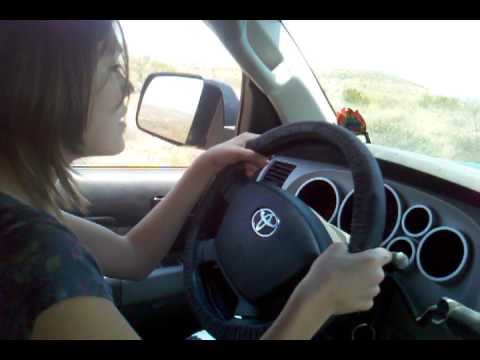
When you’ve reached a peaceful roadway with low traffic, your trainer will have you switch so you remain in the driving seat. That’s a fantastic feeling!
Your instructor will describe the cockpit drill to present you to the checks you’ll need to do each time you drive, so listen carefully. Eventually you’ll be doing these checks naturally.
The cockpit drill:
Doors safely closed?
Seat in a comfy position?
Guiding position established?
Seatbelts on?
Mirrors changed?
4- The controls
Next, you’ll get a run-through of the clutch, accelerator and brake, how to use the handbrake and indication, and how to change gear. You won’t be expected to be an expert in gear-changing immediately either, so don’t be too hard on yourself if that takes a bit to figure out.
If you require to go through the controls again before you set off– ask! You’ll wish to be sure you’ve got a good grasp before you’re driving along at 20 miles per hour and it feels like 120. Your instructor will talk you through whatever as you go and will be ready to action in if you do enter a muddle.
2 hours is finest for your first lesson, so you have an opportunity to learn your controls and get some driving in too. By the time you’re standing back at your front door you’ll be questioning where the time vanished to.
5- Heading out onto the roadway in your first driving lesson.
So, time to drive. Prior to you start the engine, your instructor will discuss a couple of essential treatments:
Here’s what you’ll likely discover in your first lesson:
Moving off: getting ready to use your equipments.
Clutch control consisting of discovering the biting point.
Examining your mirrors and blind spot.
Signalling with your indicator.
Changing gear.
Stopping the automobile, covering the brake and the clutch.
Curb-side parking.
It will seem like a lot to take in, but once you get going, attempt to unwind and always keep in mind that your instructor has their own set of controls so you can concentrate on learning without being terrified. If you get the opportunity, do vacate onto the road so you can experience ‘appropriate’ driving. You won’t regret it!
6- After your very first driving lesson.
Once your lesson has actually finished, your trainer will drop you house. Don’t forget to have a chat about how you found the lesson (do not just open the door and run!) and inform your trainer anything you think you need more time on next time.
Some driving instructors provide discount rates for block bookings, so see if you can reserve the same slot for numerous weeks at a time. If you’re wondering how long it’ll take you to get to driving test time, checked out ingenie guidance about how lots of driving lessons you’ll need.
Think of the silliest person you know who can drive a cars and truck if you’re still feeling incredibly worried. If they can do it, you’ll have no trouble. Keep asking questions too. Your instructor will be expecting you to have lots to ask and you can guarantee they would have heard it all– so ask away.
7- Practise outside of your driving lessons.
So that’s the first lesson with a trainer out of the way – but it is necessary to keep the momentum going.
Check out ingenie versatile Learner driver insurance to drive somebody else’s cars and truck if you understand someone who can give you a bit of extra private practice. You simply pick the length of time you require, from 1 to 6 months, and if you get to completion of your insurance and you require more time, you can buy another piece.
The great bit: it’s your insurance policy, so if you do have a ding along the way, it secures any No Claims Discount the vehicle owner has developed. Household drama prevented ….
Your very first driving lesson with a trainer is an exciting milestone – however it can be pretty nerve-racking too.
Some driving trainers will sound the doorbell, some will wait in the vehicle for you – so keep an eye out.
You’ll desire to be sure you’ve got a good grasp before you’re driving along at 20 miles per hour and it feels like 120. Some driving instructors offer discounts for block bookings, so see if you can schedule the same slot for several weeks at a time. If you’re wondering how long it’ll take you to get to driving test time, checked out ingenie guidance about how lots of driving lessons you’ll need.
Can You Take Your Driving Test in Your Own Automobile? You Bet!
The short answer is yes, you can. You can utilize your cars and truck for driving lessons, private practice and take your useful driving test. Extra practice in your own cars and truck indicates that you will feel more acquainted with the car, which may increase your opportunities of passing.
While many individuals use their driving trainer’s car, being able to drive your own automobile or a pal or member of the family, means you’ll feel more confident controlling the cars and truck, making manoeuvers and the recommendation points, which all assists to make your practical test less difficult.
What you need to understand about utilizing your own automobile
In order to use your own car to take your driving test, there are some things you need to check. A number of them may seem obvious, however it deserves familiarising yourself with what is required of your lorry to guarantee its test prepared.
be guaranteed for a driving test (check with your insurance provider).
be roadworthy and have a current MOT (if it’s over 3 years of ages).
have no caution lights showing, for example, the air bag caution light or engine caution light.
have no tyre damage and the legal tread depth on each tire– you can’t have a space-saver spare tyre fitted.
be smoke-free– this indicates you can’t smoke in it just before or throughout the test.
have the ability to reach a minimum of 62mph and have a mph speedometer (which shouldn’t be a problem for pretty much every vehicle on the road).
have 4 wheels and a maximum authorised mass (MAM) of no more than 3,500 kg.
In addition to the above, you need to also ensure you get the ideal devices and accessories fitted to your lorry.
The following must be fitted to the car:.
an extra interior rear-view mirror for the inspector.
L-plates (‘ L’ or ‘D’ plates in Wales) on the front and rear.
a guest seat belt for the inspector and a proper traveler head restraint (not a slip-on type).
Can you tape-record the test?
You can have a dash camera fitted to your vehicle (for insurance purposes), as long as it tapes externally and you might not movie or record audio inside the vehicle. Many dash web cams enable you to disable the audio. This is also excellent to understand, so once you have actually passed your test you don’t record accidently record yourself butchering your preferred tune on the radio.
Check for safety remembers.
If your vehicle has actually been recalled for security reasons then you won’t be able to utilize the cars and truck for your test unless you have proof that it’s safe, and you must have this with you when you take your test. The bright side is that you can examine online to see if your cars and truck has any outstanding recalls.
You need to bring evidence that says one of the following:.
the car was recalled and the recall work has been done.
the automobile was recalled but didn’t require any work to be done.
the vehicle wasn’t part of the recall.
Getting house.
If you are taking your driving test in your own vehicle and you pass your test, your student driver policy will become void and you will no longer be covered to drive the automobile. ‘Congratulations’ will remain in order as you’re no longer a learner driver.
How do you get the vehicle home? Have a friend or family member guaranteed to drive the cars and truck on standby to drive you home.
You can utilize your automobile for driving lessons, private practice and take your useful driving test. Extra practice in your own car implies that you will feel more familiar with the automobile, which may increase your opportunities of passing.
You can have a dash webcam fitted to your cars and truck (for insurance functions), as long as it tape-records externally and you may not film or record audio inside the car. How do you get the car house? Have a pal or household member insured to drive the cars and truck on standby to drive you home.
What to anticipate on your very first driving lesson
You are likely to feel nervous on your very first driving lesson. Those learner drivers who are overconfident, or feel they know everything could be in for a nasty shock when they attempt to drive to the standards expected by the DVLA.
To assist keep your nerves in check, let’s take a look at a couple of things you could anticipate on your first driving lesson:
The lorry and trainer
All professional driving schools have double control automobiles. This means, especially throughout the early stages of knowing, you can be guaranteed that if something goes wrong, the instructor can keep you safe although you lag the wheel.
Your trainer will be a specialist in assisting you manage your nerves. They will get to know you so they can comprehend what you can attaining in each lesson. They will not rush you in any way as they understand that the method for you to make progress is to progress at your own rate. Your trainer will take you to the next level once they recognise that you are confident to continue. Your instructor’s job is to teach you and to keep you safe.
First things first
The first thing the trainer will do is inspect that you are legal to drive, so he will need to see your provisionary license. , if you do not yet have a provisionary licence you can obtain one online here.. Your very first lessons need to occur on quiet, even separated roads, so it is unlikely your very first lesson will begin from outdoors your door. The instructor will drive to an acceptable location where you can find out the principles of the automobile controls safely.
Once you are in the driver’s seat, the trainer will present you to the main instruments on the control panel and the devices at hand which you will be using often. This is called the “cockpit drill” and consists of explanation of the rear view mirror, the equipments, the three pedals (accelerator, clutch and brake), the blind spot and naturally the handbrake. This will take about 30 minutes of your first lesson. Naturally, if you a fast student, or already have an excellent understanding of an automobile on your very first lesson, you could be doing 3 point turns, emergency situation stops and parallel parking prior to completion of the session.
Moving off and stopping
Yes, it is likely you will be driving on your very first lesson. How long you have for this will depend on how rapidly you understand and feel comfortable with the controls. The trainer will move on at the speed your development demands. You will discover the checks you need to make before starting a journey and how to switch on and move into the circulation of traffic safely along with stopping the automobile. This whole procedure will include procedures which you may struggle with initially (pulling away; utilizing the gears properly; and drawing in near the kerb) however as the lessons progress you will find everything eventually falls into place.
If paced well, your lessons should be an enjoyable experience. An instructor will teach you most efficiently when they comprehend your requirements, so tell them how you are feeling, if things are going too quick, or if there is something you don’t understand.
You are most likely to feel anxious on your very first driving lesson. They will get to know you so they can comprehend what you are capable of accomplishing in each lesson. Your first lessons need to take location on quiet, even separated roads, so it is unlikely your very first lesson will begin from outside your door. Of course, if you a quick learner, or already have an excellent comprehension of a cars and truck on your very first lesson, you could be doing three point turns, emergency situation stops and parallel parking before the end of the session.
Yes, it is most likely you will be driving on your first lesson.
You are likely to feel anxious on your very first driving lesson. This is rather natural and is in reality a good idea. Those learner drivers who are overconfident, or feel they understand everything could be in for a nasty shock when they try to drive to the requirements expected by the DVLA. Most notably, a few nerves will heighten your awareness, and make you more focussed.
To assist keep your nerves in check, let’s take a look at a few things you might anticipate on your very first driving lesson:
The vehicle and instructor
All expert driving schools have dual control cars and trucks. This means, specifically throughout the early stages of knowing, you can be ensured that if something fails, the instructor can keep you safe despite the fact that you are behind the wheel.
They will get to know you so they can comprehend what you are capable of attaining in each lesson. Your trainer will take you to the next level once they recognise that you are positive to continue.
Things
The first thing the trainer will do is inspect that you are legal to drive, so he will need to see your provisional license. , if you do not yet have a provisionary licence you can obtain one online here.. Your very first lessons need to take place on peaceful, even separated roadways, so it is not likely your very first lesson will start from outside your door. The trainer will drive to an acceptable location where you can discover the principles of the car manages securely.
Once you remain in the driver’s seat, the trainer will present you to the primary instruments on the control panel and the devices at hand which you will be utilizing frequently. This is called the “cockpit drill” and consists of description of the rear view mirror, the equipments, the three pedals (accelerator, clutch and brake), the blind spot and obviously the handbrake. This will take about thirty minutes of your first lesson. Naturally, if you a fast student, or currently have a good comprehension of an automobile on your first lesson, you could be doing 3 point turns, emergency situation stops and parallel parking prior to completion of the session.
Moving off and stopping
Yes, it is likely you will be driving on your very first lesson. For how long you have for this will be dependent on how quickly you comprehend and feel comfy with the controls. The trainer will move forward at the rate your development needs. You will find out the checks you require to make prior to beginning a journey and how to switch on and move into the flow of traffic safely in addition to stopping the car. This whole procedure will consist of processes which you may deal with in the beginning (retreating; using the gears correctly; and drawing in near to the kerb) however as the lessons progress you will discover whatever ultimately forms.
If paced well, your lessons ought to be an enjoyable experience. A trainer will teach you most effectively when they comprehend your needs, so tell them how you are feeling, if things are going too quickly, or if there is something you don’t understand.
You are most likely to feel nervous on your first driving lesson. They will get to know you so they can comprehend what you are capable of achieving in each lesson. Your first lessons need to take place on quiet, even separated roadways, so it is not likely your very first lesson will begin from outside your door. Of course, if you a quick learner, or currently have an excellent understanding of a cars and truck on your very first lesson, you could be doing 3 point turns, emergency situation stops and parallel parking before the end of the session.
Yes, it is most likely you will be driving on your very first lesson.
It’s lastly here! The day you get behind the wheel for what is probably the very first time. It’s a big day – however it can be pretty nerve-racking too.
It helps if you know what you first driving lesson will include ahead of time, so make certain you prepare. If they’re familiar to you and you feel positive about what takes place next, you’ll select things up much easier.
Are first driving lessons frightening? Sure, a bit. However you’ve got this.
1- Before your first driving lesson
Your driving lesson preparation:
Get some sleep
Do NOT drink the night before
Breakfast!
When you’re being chose up, double-check where and
What to give your driving lesson:
Comfy, non-slip shoes
Glasses if you think you’ll require them for driving
Your cash/ cheque for the lesson
Remember your provisional licence
Prior to your lesson
2- Getting picked up for your first driving lesson
Some driving instructors will sound the doorbell, some will wait in the cars and truck for you – so keep an eye out. My driving instructor was typically early so I ‘d go out straight away to get a totally free 5 minutes!
Don’t stress – you’re not going to have to get in the driving seat quickly.
You’ll be getting in the guest seat to start with, while your instructor takes you to a quiet location for you to get to grips with the fundamentals.
3- The cockpit drill
Your trainer will have you switch so you’re in the driving seat when you’ve arrived at a peaceful road with low traffic. Weird, huh?
Your trainer will discuss the cockpit drill to present you to the checks you’ll need to do whenever you drive.
The cockpit drill or DSSSM:
Doors securely closed?
Seat in a comfy position?
Steering position established?
Seatbelts on?
Mirrors changed?
4- The controls
Next, you’ll get a rundown of the clutch, accelerator and brake, how to use the handbrake and sign, and how to alter equipment.
Don’t hesitate to ask if you can run through the controls once again due to the fact that you’ll want to be sure when you’re all of a sudden doing 20 miles an hour and it feels like 120.
Do not worry too much though – your instructor will talk you through whatever as you go.
2 hours is finest for your first lesson so you have a possibility to learn your controls and get some driving in too.
Taking to the road in your very first driving lesson
You guessed it: time to drive. Prior to you begin the engine, your trainer will explain a few key treatments:
Driving you’ll discover in your first lesson:
Moving off: preparing yourself to use your equipments
Clutch control including discovering the biting point
Examining your mirrors and blind spot
Signalling with your indication
Changing gear
Stopping the cars and truck, covering the brake and the clutch
Curb-side parking
When you get going, try to unwind and bear in mind that your trainer has their own set of controls so you can focus on learning without being frightened.
If you get the opportunity, do vacate onto the roadway so you can experience ‘appropriate’ driving. You won’t regret it!
6- After your very first driving lesson
Your instructor will drop you house when your time is up. Have a chat about how you found the lesson and anything you think you require more deal with next time.
Some driving instructors provide discount rates for block bookings, so see if you can book the same slot for a number of weeks at a time. Ideally, you should have 2 or 3 lessons a week to minimise time between lessons so you don’t forget what you’re finding out.
Do not rush. Everybody discovers at their own rate and it is very important to be completely prepared when you take your test. Read our suggestions about how numerous driving lessons you’ll need if you’re questioning how long it’ll take you to get to driving test time.
You’ll be great
Think of the silliest individual you know who can drive an automobile. You’ll have no problem if they can do it.
And if you think about a concern, ask it. I guarantee it’s not the stupidest thing your trainer will have heard (I can probably declare that a person).
The day you get behind the wheel for what is probably the first time. Are initially driving lessons scary? Some driving instructors will ring the doorbell, some will wait in the cars and truck for you – so keep an eye out. My driving trainer was typically early so I ‘d go out straight away to get a complimentary 5 minutes!
If you’re questioning how long it’ll take you to get to driving test time, read our guidance about how numerous driving lessons you’ll need.
Feeling a bit tense before your first driving lesson is to be anticipated. Every driver on the road today has actually been where you are right now. They all made it through that very first lesson, and beyond– therefore will you!
Why am I so anxious?
If you’re feeling nervous, do not stress, it’s totally natural. What you’re feeling is the fear of the unforeseen. It’s the reason why any new situation makes us worried.
So let’s get rid of the nerves by preparing you for what to get out of your very first lesson. When you know what’s showing up, your mind has something tangible to concentrate on.
What to anticipate from my very first driving lesson?
The pickup
Your driving instructor will have arranged a pickup location with you– more than likely your home, or outdoors your college, work or school. You do not need to get behind the wheel simply! Your trainer will pick you up and drive you to a quiet street free from traffic– the ideal place for you to get to know the fundamentals.
The cockpit drill
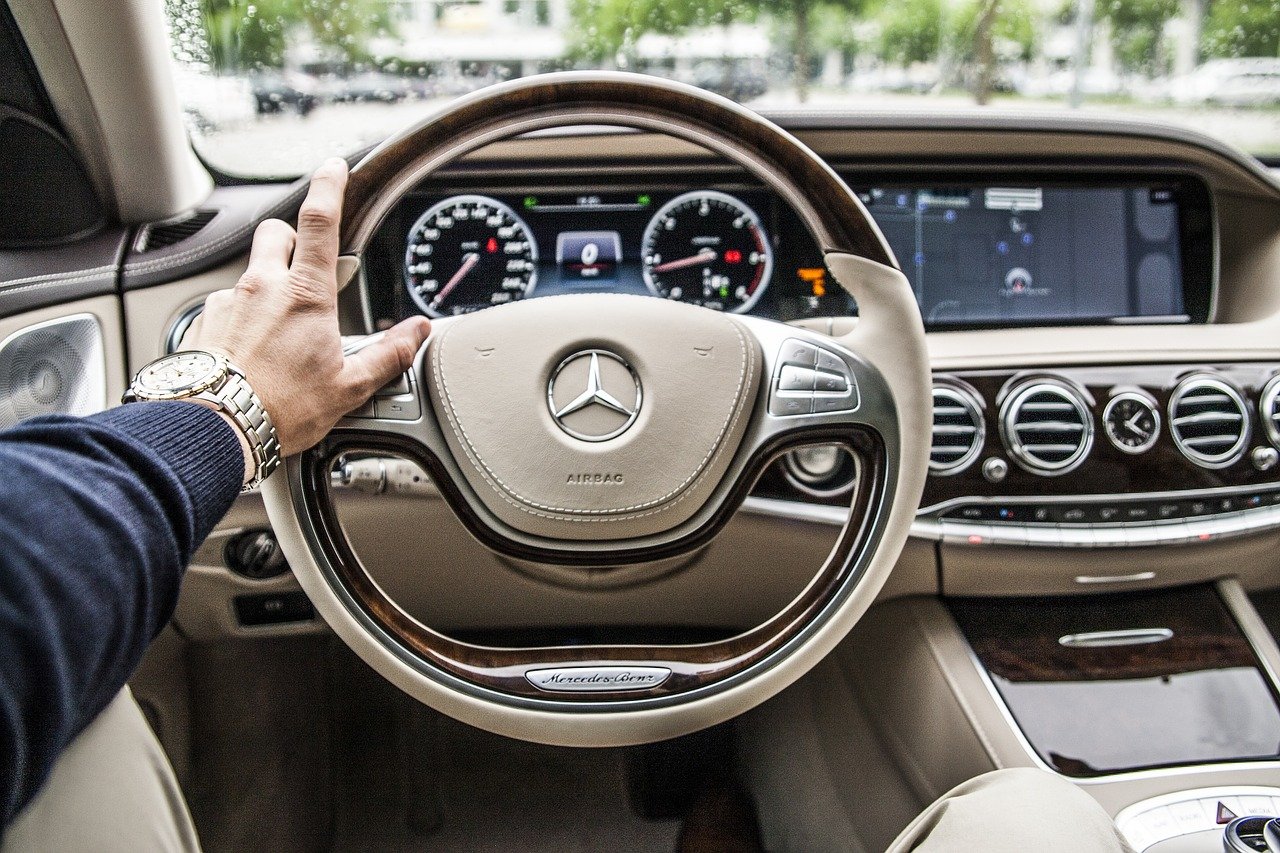
OK. Now it’s time to change so you’re in the driver’s seat. While parked, your instructor will talk you through the DSSSM cockpit drill– how every vehicle driver needs to start their journey:
Doors safely closed?
Seat in a comfortable position?
Guiding position developed?
Seat belts on?
Mirrors changed?
Learning more about the cars and truck
Now your instructor will talk you through the automobile control’s, including your ABC– accelerator, brake and clutch. You’ll discover how to run the signs, mirrors, handbrake and the gear stick.
Getting moving!
Depending upon the length of your lesson, you need to now get the opportunity to actually drive. This can be a challenging minute but it deserves remembering that– thanks to the magic of dual control vehicles your instructor is every bit as in control of the car as you are, so don’t stress over making mistakes.
Before you get going, your instructor will talk you through a few of the driving fundamentals, which may consist of:
Moving off– this is an expression you’ll hear a lot. It indicates getting the car and equipments all set for driving off from a fixed position
Clutch control– how to operate the clutch and find, consisting of discovering the bite point
Signalling
When to change equipment, how and
How to stop the automobile– ways that you can utilize the brake, handbrake and clutch to slow and stop
Basic parking– pointers for how to park at the kerb
You’ll typically only drive a very short range, and along a straight roadway, just to get you accustomed to the feel of the automobile and the basic controls.
End of lesson
And that’s it. Your trainer will then drive you back to your drop off point and you can have a chat about how the lesson went, and what you’ll cover in the next lesson
If you enjoy with your instructor you might want to talk with them about making a block reservation as this can exercise cheaper than reserving individual lessons.
Practical prep pointers for your very first driving lesson.
When should you schedule?– whether you’re an early riser or a night owl, pick the time of day when you feel freshest
2-hour lessons– it’s a good concept to reserve a longer 2-hour lesson at first. This offers you time to get gotten, driven to your lesson place, go through the fundamentals and have a shot at driving
Sleep– try to get a good night’s sleep in advance and do not drink the night prior to
Provisional licence– make sure you’ve got this with you for your very first lesson so your trainer can see it
What to use– adhere to flat shoes with flexible or thin soles so you can feel the cars and truck respond much better to what you’re doing. Comfortable clothing will help you unwind and manoeuvre more easily
Talk with others– have a chat with loved ones who drive or head to a first-time driver online forum to pick up pointers and stories from those who’ve existed in the past
Ask questions– do not hesitate to ask your trainer a lot of questions. Do not stress if you think your concerns silly, trust us, instructors have actually heard them all in the past. They’re there to help, and having your questions addressed will immediately enhance your confidence
Feeling a bit jittery before your very first driving lesson is to be expected. They all made it through that very first lesson, and beyond– and so will you!
Your driving instructor will have arranged a pickup area with you– most likely your house, or outdoors your school, work or college. Your trainer will pick you up and drive you to a peaceful street complimentary from traffic– the perfect place for you to get to know the basics.
While parked, your instructor will talk you through the DSSSM cockpit drill– how every vehicle driver must begin their journey:
Knowing what to expect in your very first driving lesson is the most convenient method to calm your nerves and ensure that you get off to a terrific start behind the wheel.
Your very first driving lesson
Your first driving lesson generally happens a while after scheduling a driving lesson plan. It’s the very first time you’ll meet your driving trainer in addition to being your very first time behind the wheel, so it’s natural to feel a little nervous beforehand.
What to give your first driving lesson
Your provisional licence
Comfortable shoes
Your glasses (if you use them).
A bottle of water.
A jumper.
What occurs on your very first driving lesson.
On your first driving lesson, don’t anticipate to get behind the wheel quickly, especially if you get picked up someplace busy. Your driving trainer will most likely drive you to a better area before switching seats with you and teaching you the fundamentals.
You’ll be introduced to the automobile’s controls.
You’ll learn more about clutch control.
You’ll find out how to safely move off and stop.
Your first lesson walkthrough.
Your instructor will inspect your provisionary licence.
Your driving trainer will want to see your provisionary driving licence to make sure that you’re legally enabled to drive. This just obtains your first driving lesson, however ensure you remember; you won’t be enabled to drive without revealing your trainer your provisionary very first.
You’ll discover a quiet location to find out.
Depending on where your instructor is choosing you up from, you may not have the ability to jump straight into the driver’s’ seat and begin your first driving lesson. If you live on a main road or in a location that gets a lot of traffic, your trainer will most likely ask you to sit in the guest seat and will then drive you to a better area such as a quiet property street or maybe an industrial estate.
You’ll learn the cockpit drill.
Your trainer will most likely invest a great portion of your first lesson discussing how to set up the vehicle. It’s not the most awesome lesson you’ll learn, but it’s an essential one.
You’ll start with the basics.
Don’t expect to dive straight in and start discovering reverse around a corner, your very first driving lesson will focus on the most basic aspects of learning to drive. You’ll be introduced to all the vehicle’s controls, from the windshield wipers to the heater dials, and you may start learning how to securely move off and stop. You’ll certainly start discovering clutch control and how/when to examine your blind spots.
You will get to drive.
You should get to drive before the lesson is over. You will not be doing 50mph on a dual carriageway, but you’ll likely get to do a couple of laps or a real estate or industrial estate at a practical speed. Believe us, on your very first driving lesson, even 30 miles per hour feels like you’re flying.
You’ll most likely stall, which’s fine.
Stalling is the bane of almost every learner driver and it can be truly simple to let a couple of stalls frustrate you. Don’t let stalling ruin your very first driving lesson, it’s a completely typical part of learning clutch control and it’s absolutely nothing to get stressed out about. Your instructor has probably taught hundreds if not thousands of students and will have lots of pointers to help you to get the hang of utilizing the clutch.
Your trainer will most likely invest a great chunk of your first lesson explaining how to set up the lorry. Do not anticipate to dive directly in and start finding out reverse around a corner, your first driving lesson will focus on the a lot of standard components of finding out to drive. You should get to drive prior to the lesson is over. Think us, on your first driving lesson, even 30 miles per hour feels like you’re flying.
Don’t let stalling ruin your very first driving lesson, it’s a perfectly normal part of learning clutch control and it’s absolutely nothing to get stressed out about.
The wedding day has shown up! You have actually done your research, you have actually found the instructor, you’ve planned your outfit (well, hopefully your shoes) however you’re ready to get behind the wheel for what is most likely the very first time. Your very first driving lesson with a trainer is an amazing milestone – however it can be pretty aggravating too.
It helps if you know what you first driving lesson will involve beforehand, so make sure you prepare. If they’re familiar to you and you feel confident about what occurs next, you’ll choose things up much easier.
Here’s 7 steps from ingenie vehicle insurance on how to ensure your first driving lesson goes efficiently.
When you’re being chose up, double-check where and
What to bring to your driving lesson:
Comfy, non-slip shoes
Glasses if you think you’ll require them for driving
Your money for the lesson (unless you have actually paid upfront).
A bottle of water.
Remember your provisionary licence.
2- Getting picked up for your very first driving lesson.
Make sure you’re ready and not faffing at the last minute. If you’re late, it’s your time and your cash being invested. Some driving trainers will sound the doorbell, some will wait in the cars and truck for you – so keep an eye out.
Do not stress – you’re not going to have to get in the driving seat straight away. You’ll be getting in the passenger seat to start with, while your trainer takes you to a peaceful place for you to get to grips with the fundamentals.
3- The cockpit drill.
When you have actually arrived at a quiet roadway with low traffic, your trainer will have you switch so you’re in the driving seat. That’s a great feeling!
Your instructor will explain the cockpit drill to present you to the checks you’ll need to do whenever you drive, so listen carefully. Eventually you’ll be doing these checks instinctively.
The cockpit drill:
Doors safely closed?
Seat in a comfy position?
Guiding position developed?
Seat belts on?
Mirrors changed?
4- The controls
Next, you’ll get a run-through of the clutch, accelerator and brake, how to utilize the handbrake and sign, and how to change equipment. You won’t be expected to be an expert in gear-changing straight away either, so do not be too hard on yourself if that takes a little while to figure out.
, if you require to go through the controls once again before you set off– ask!! You’ll want to be sure you have actually got a great grasp prior to you’re driving along at 20 miles per hour and it seems like 120. If you do get into a muddle, your trainer will talk you through everything as you go and will be prepared to step in.
2 hours is best for your first lesson, so you have a chance to learn your controls and get some driving in too. By the time you’re standing back at your front door you’ll be wondering where the time disappeared to.
5- Heading out onto the road in your very first driving lesson.
So, time to drive. Before you begin the engine, your trainer will explain a few key treatments:
Here’s what you’ll likely learn more about in your first lesson:
Moving off: preparing yourself to use your equipments.
Clutch control including finding the biting point.
Inspecting your mirrors and blind spot.
Signalling with your sign.
Changing equipment.
Stopping the cars and truck, covering the brake and the clutch.
Curb-side parking.
It will seem like a lot to take in, but once you start, attempt to unwind and always keep in mind that your trainer has their own set of controls so you can focus on learning without being scared. If you get the chance, do vacate onto the road so you can experience ‘proper’ driving. You won’t regret it!
6- After your first driving lesson.
When your lesson has ended up, your trainer will drop you home. Do not forget to have a chat about how you found the lesson (do not simply run and open the door!) and inform your trainer anything you think you need more time on next time.
Some driving instructors offer discounts for block reservations, so see if you can schedule the same slot for several weeks at a time. Ideally, you need to have 2 or 3 lessons a week to reduce time in between lessons however similarly, don’t hurry. Everybody discovers at their own pace and it is very important to be fully prepared when you take your test. Checked out ingenie advice about how numerous driving lessons you’ll need if you’re questioning how long it’ll take you to get to driving test time.
If you’re still feeling extremely worried, think about the silliest individual you know who can drive an automobile. You’ll have no problem if they can do it. Keep asking concerns too. Your instructor will be anticipating you to have lots to ask and you can ensure they would have heard everything– so ask away.
7- Practise beyond your driving lessons.
So that’s the very first lesson with a trainer out of the way – however it is very important to keep the momentum going.
Inspect out ingenie versatile Student driver insurance coverage to drive someone else’s car if you understand someone who can offer you a bit of additional personal practice. You simply choose for how long you need, from 1 to 6 months, and if you get to the end of your insurance and you require more time, you can buy another chunk.
The great bit: it’s your insurance coverage, so if you do have a ding along the way, it secures any No Claims Mark down the cars and truck owner has actually developed. Household drama avoided ….
Your very first driving lesson with an instructor is an amazing turning point – but it can be pretty nerve-racking too.
Some driving trainers will sound the doorbell, some will wait in the cars and truck for you – so keep an eye out.
You’ll desire to be sure you have actually got a great grasp prior to you’re driving along at 20 miles per hour and it feels like 120. Some driving instructors provide discounts for block bookings, so see if you can book the same slot for a number of weeks at a time. If you’re wondering how long it’ll take you to get to driving test time, read ingenie suggestions about how numerous driving lessons you’ll need.
Finding out to drive can be a difficult experience for the best of us so here are RED Driving School’s leading pointers on how to prepare for your first driving lesson and subsequent tuition.
Provisionary licence– you will need to provide both the card and paper parts of you licence on your very first lesson. , if you need to use for a licence you can select up an application type from you regional post office or you can use online at https://www.anewdriver.ie.
By telephone or by post if you have actually lost part of your licence you require to change this; you can do this online.
Sponsorship– before starting your lesson you will need to have a plan on how to spend for a complete driving course whether this is through cost savings, work or household. If you do not have routine lessons, it does not pay to have lessons and then stop due to no cash as it will take you longer to pass your test.
Time– ensure you have sufficient time to commit to learning to drive– after all it is a new skill that you are getting that will require routine practice in order for you to progress.
We suggest you have one, two hour lesson every week under the supervision of a professional driving instructor.
Attitude– you require to be confident that you will find out how to have the capability but drive to make fun of yourself if you make errors, most of us do.
Consume– prevent caffeine-based beverages such as tea and coffee before your driving lesson as this speeds up anxiety and you will already fidget. It goes without saying that alcohol should be prevented both on the day of your lesson, however likewise the night before.
Clothing– make sure that your clothes on your lesson is comfortable; you will be beinged in the car for at least an hour. Likewise make sure that you use ideal shoes that you can feel the pedals through– no walking boots, heels or flip flops.
Sleep– ensure you have a good night’s sleep the night before your lesson. You want to make sure you are alert as there will be a lot to take in on your first lesson.
Be prepared– on the day of your lesson ensure you have both parts of your licence, payment for your lesson and your glasses, if you need them.
BETWEEN YOUR LESSONS
When your driving lesson is over the knowing does not need to stop there. To boost your knowing you might:
Complete a student driver journal or diary– when your lesson is over, complete the journal with what you have actually covered in the lesson, what went well and what didn’t. You can utilize this to review the lesson and get ready for your next lesson. You can use the journal as a guide on what needs practising if you have somebody to practice with between lessons.
Theory and Hazard Perception practice– utilize the web and books to revise for your theory test and threat perception test. The faster your theory is passed the better.
Lastly, do not forget that if you have any concerns about your lessons, your driving ability or anything else then just ask your instructor.


 The pickup
 The cockpit drill
 Learning more about the cars and truck
 Getting moving!
 End of lesson