Feeling a bit jittery before your very first driving lesson is to be anticipated. Every driver on the road today has actually been where you are right now. They all made it through that first lesson, and beyond– therefore will you!
Why am I so anxious?
If you’re feeling distressed, don’t fret, it’s absolutely natural. What you’re feeling is the fear of the unanticipated. It’s the reason why any brand-new scenario makes us nervous.
So let’s eliminate the nerves by preparing you for what to expect from your first lesson. Your mind has something concrete to focus on when you understand what’s coming up.
What to anticipate from my very first driving lesson?
The pickup
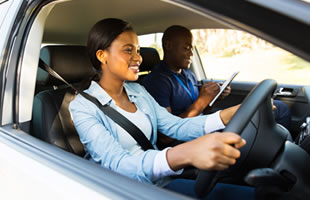
Your driving trainer will have organized a pickup location with you– probably your house, or outdoors your work, college or school. You do not require to support the wheel right now! Your instructor will pick you up and drive you to a quiet street free from traffic– the ideal place for you to be familiar with the fundamentals.
The cockpit drill
OK. Now it’s time to switch so you remain in the driver’s seat. While parked, your trainer will talk you through the DSSSM cockpit drill– how every driver must start their journey:
Doors firmly closed?
Seat in a comfortable position?
Steering position developed?
Seatbelts on?
Mirrors adjusted?
Getting to know the automobile
Now your instructor will talk you through the automobile control’s, including your ABC– accelerator, brake and clutch. You’ll find out how to run the indicators, mirrors, handbrake and the gear stick.
Getting moving!
Depending upon the length of your lesson, you must now get the opportunity to really drive. This can be a challenging moment however it deserves bearing in mind that– thanks to the magic of double control automobiles your trainer is every bit as in control of the automobile as you are, so don’t stress over making mistakes.
Before you start, your instructor will talk you through a few of the driving basics, which might include:
Moving off– this is an expression you’ll hear a lot. It implies getting the vehicle and equipments ready for driving off from a stationary position
Clutch control– how to operate the clutch and discover, consisting of discovering the bite point
Signalling
When to change gear, how and
How to stop the automobile– ways that you can utilize the brake, handbrake and clutch to stop and slow
Basic parking– pointers for how to park at the kerb
You’ll normally only drive an extremely short range, and along a straight roadway, just to get you accustomed to the feel of the cars and truck and the basic controls.
End of lesson
And that’s it. Your trainer will then drive you back to your drop off point and you can have a chat about how the lesson went, and what you’ll cover in the next lesson
If you more than happy with your instructor you might want to talk with them about making a block reservation as this can work out cheaper than booking private lessons.
Practical prep suggestions for your first driving lesson.
When should you reserve?– whether you’re an early riser or a night owl, choose the time of day when you feel freshest
2-hour lessons– it’s a great idea to schedule a longer 2-hour lesson at. This gives you time to get gotten, driven to your lesson location, go through the basics and have a shot at driving
Sleep– try to get a good night’s sleep in advance and do not drink the night before
Provisionary licence– ensure you’ve got this with you for your first lesson so your trainer can see it
What to wear– stay with flat shoes with thin or flexible soles so you can feel the cars and truck respond better to what you’re doing. Comfy clothing will assist you relax and manoeuvre more quickly
Talk with others– have a chat with loved ones who head or drive to a newbie driver online forum to pick up ideas and stories from those who’ve existed before
Ask concerns– do not be afraid to ask your trainer plenty of questions. Don’t fret if you believe your concerns silly, trust us, trainers have actually heard them all previously. They exist to assist, and having your concerns responded to will immediately enhance your self-confidence
Feeling a bit jittery prior to your very first driving lesson is to be anticipated. They all made it through that very first lesson, and beyond– and so will you!
Your driving instructor will have set up a pickup area with you– most likely your house, or outdoors your college, school or work. Your trainer will select you up and drive you to a quiet street free from traffic– the perfect location for you to get to understand the basics.
While parked, your instructor will talk you through the DSSSM cockpit drill– how every motorist should begin their journey:
You are likely to feel worried on your very first driving lesson. This is rather natural and remains in fact an advantage. Those learner motorists who are overconfident, or feel they understand everything could be in for a nasty shock when they attempt to drive to the requirements anticipated by the DVLA. Most notably, a few nerves will heighten your alertness, and make you more focussed.
To assist keep your nerves in check, let’s have a look at a few things you could expect on your very first driving lesson:
The automobile and trainer
All expert driving schools have double control vehicles. This means, particularly throughout the early stages of knowing, you can be guaranteed that if something fails, the trainer can keep you safe although you lag the wheel.
Your instructor will be an expert in helping you handle your nerves. They will be familiar with you so they can understand what you are capable of accomplishing in each lesson. They will not hurry you in any way as they are aware that the way for you to make progress is to progress at your own pace. Your trainer will take you to the next level once they acknowledge that you are confident to continue. Your instructor’s job is to teach you and to keep you safe.
First things first
The first thing the instructor will do is inspect that you are legal to drive, so he will require to see your provisionary license. If you do not yet have a provisionary licence you can acquire one online here. Your first lessons require to take place on quiet, even separated roadways, so it is unlikely your very first lesson will begin from outside your door. The instructor will drive to an appropriate location where you can find out the principles of the car controls securely.
This will take about 30 minutes of your first lesson. Of course, if you a quick student, or currently have a good understanding of a car on your very first lesson, you might be doing 3 point turns, emergency stops and parallel parking before the end of the session.
Moving off and stopping
Yes, it is most likely you will be driving on your very first lesson. How long you have for this will depend on how rapidly you comprehend and feel comfy with the controls. The instructor will move on at the speed your progress demands. You will learn the checks you need to make before starting a journey and how to switch on and move into the flow of traffic safely as well as stopping the car. This entire procedure will include procedures which you might deal with in the beginning (retreating; using the gears properly; and drawing in near the kerb) however as the lessons progress you will find whatever ultimately forms.
Your lessons should be an enjoyable experience if paced well. An instructor will teach you most effectively when they understand your requirements, so tell them how you are feeling, if things are going too fast, or if there is something you do not comprehend.
You are likely to feel nervous on your first driving lesson. They will get to understand you so they can comprehend what you are capable of attaining in each lesson. Your first lessons need to take place on quiet, even isolated roadways, so it is unlikely your first lesson will begin from outdoors your door. Of course, if you a quick student, or already have a good comprehension of an automobile on your first lesson, you might be doing 3 point turns, emergency stops and parallel parking prior to the end of the session.
Yes, it is most likely you will be driving on your very first lesson.
You have actually been studying, and now it’s time to put what you have actually found out into practice behind the wheel. Booking your very first driving lesson is amazing, however it may not take too long for the nerves to creep in. Let’s take a look at a few things you can do to help keep you calm, cool and gathered as you learn how to drive.
How to get ready for your first driving lesson
Evaluation the Highway Code – not just will it help you when it concerns taking your theory test, it’ll keep the rules and guidelines of the roadway fresh in your mind.
Choose a practical clothing. Attempt to wear something comfy that you can move around in and avoid any limiting clothing and shoes. Flip flops and high heels, in particular, aren’t perfect when driving.
Remember your provisionary licence – your instructor will inspect that you have it. You can’t legally be behind the wheel without one so it’s an absolute should for your very first driving lesson. You might also be requested your check code, so your trainer can check your online licence equivalent.
Make sure you’re healthy to drive. If you require them, avoid consuming the night prior to and remember to bring your glasses or contact lenses.
Don’t fret – you won’t get in the driving seat quickly. Initially, your instructor will drive you to a peaceful road where you’ll learn all the principles of the vehicle controls. This includes the equipments, the pedals, and what’s called the cockpit drill.
What’s a cockpit drill?
This is an exercise that all drivers ought to carry out when they get in the cars and truck, and it’s normally one of the first things you’re taught. The cockpit drill (typically called the DSSSM regimen) consists of checking your doors, seat, steering, seatbelt and mirrors:
Doors– examine all doors are closed and secured before starting your engine.
Seat and steering– adjust your seating so that the controls are within easy reach and you have a clear view of the roadway. You must also change your headrest to prevent whiplash if you remain in an accident.
Seat belt– ensure you and your guests are buckled in.
Mirrors– place your mirrors to reduce your blind spots.
How do I move off?
When it comes to the big moment– taking control of the vehicle– you’ll need to move the car off and reveal that you can securely do the ‘Prepare, Observe, Move’ regular:
Prepare – getting the vehicle prepared to pull away when the roadway is clear
Press and hold the clutch down with your left foot.
Select initially equipment.
Press the gas pedal down with your ideal foot until you’re at about 1500-2000 rpm.
Bring the clutch up gradually till you find the biting point.
Be ready to release the handbrake at the correct time.
Observe– showing your trainer that you understand your surroundings
Examine all around the cars and truck searching for anything that may affect your driving plan.
Look over both shoulders.
When you’re safe to go, move– confidently moving the vehicle off
Release the handbrake.
Launch the clutch slowly while carefully putting your foot down on the gas pedal.
Relieve up on the gas and control the speed of the vehicle using the clutch pedal if you find you begin to move off too fast.
Re-check your mirrors and blind spots and move your car to the normal driving position.
What if I make a mistake?
It’s regular to be anxious when you’re finding out to drive – and you’re not expected to master whatever immediately. Driving is something you get better at with time and practice. Even chauffeurs who’ve been on the roadway for several years are still improving. Don’t stress about making an error – your instructor’s seen it all in the past.
In the (unlikely) case of something failing, rest assured that your trainer can control the vehicle. All expert driving schools use double regulated vehicles, which means your instructor can step in if you need some help.
Scheduling your very first driving lesson is interesting, but it might not take too long for the nerves to creep in. You can’t lawfully be behind the wheel without one so it’s an outright need to for your very first driving lesson. Your trainer will drive you to a peaceful road where you’ll find out all the principles of the cars and truck controls. It’s normal to be anxious when you’re discovering to drive – and you’re not anticipated to master whatever directly away. Driving is something you get much better at with time and practice.
Finding a good driving instructor does not need to be down to luck or aimlessly trawling through Google with no concept of what to search for.
Discovering a great trainer is the second step towards passing your test after getting your provisionary licence and numerous learners hear scary stories of driving instructors either not being great instructors, or worse, crossing the line between an expert trainee and student relationship.
We’ve assembled an useful guide to help you discover a good regional driving trainer who will have you test ready in no time.
Word of Mouth
Excellent old made word of mouth. In a world full of online search engine, apps and social networks, you’ll probably be surprised to hear that word of mouth recommendation is the very best method to discover an excellent driving trainer. Word of mouth relies on thinking the review and verdict of your most relied on pals or household members, as opposed to solely relying on evaluations online.
You’re most likely on to a winner if you have a good friend or family member who has offered a particular driving instructor or driving school rave evaluations. Take word of mouth examines as the most credible review of a driving trainer in this article.
There is a reason marketing and client service surveys always have the very same leading concern. “How most likely you are to suggest a service to a pal.” This works both methods too. You ‘d do well to follow their recommendations if somebody you trust tells you to avoid a specific driving school. Ask around and see who your friends and family have actually heard advantages about.
Trustpilot and Other Evaluation Sites
If you do not have a word of mouth suggestion to depend on, then the next best thing is confirmed online evaluations. There are a lot of evaluation websites but the trick to knowing which evaluates to trust depends on the looking at the detail. Organizations utilizing a review platform like Trustpilot with up to date and current favorable reviews can be an excellent indicator of how good the driving school could be.
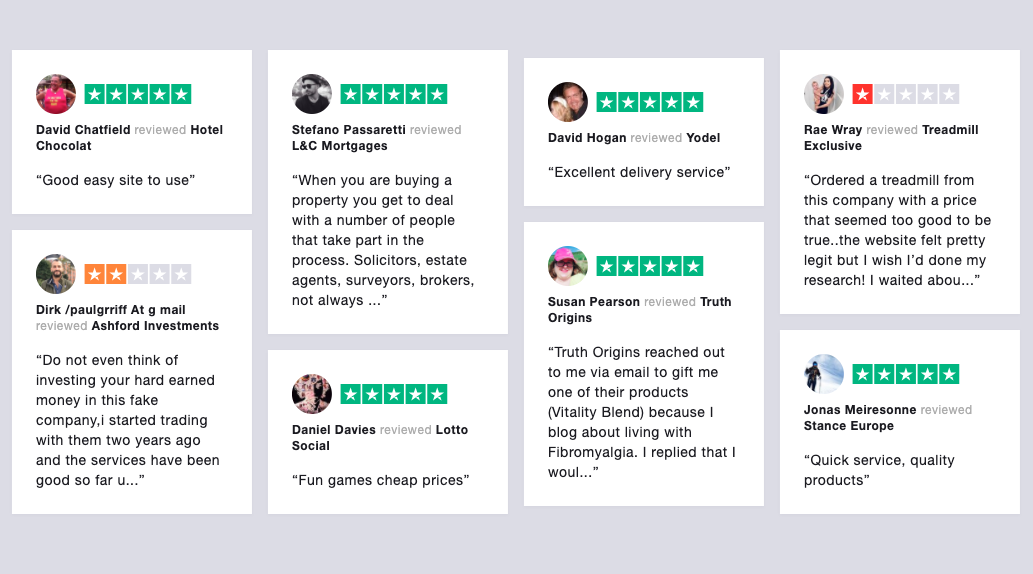
Websites like TrustPilot frequently have a feature that reveals whether or not the evaluation was from a verified customer. See a screenshot from our Trustpilot account listed below and notice the confirmed order icon beside the evaluation.
Then you can be confident that the trainer will be good when you’re positive that the evaluations are verified and up to date. It doesn’t take much to spot bad driving schools by way of evaluations either. If you see driving schools with consistently poor evaluations, then prevent like the afflict.
Customer Service Quality
When you choose to contact a driving school and choose up the phone to reserve your first lesson, discover how the conversation goes. Either they have bad client service, or it isn’t their fault and they are just too busy.
Bad customer service ought to set off an alarm bell and being too busy should tell you that no matter how great their school may be, they just do not have the capacity for you as a student.
See if it’s possible to speak straight with the person who would be teaching you if you do handle to get through. For independent trainers, this is simple, but if you’re calling a huge franchise, then it might be harder to talk to your trainer ahead of scheduling a lesson.
Examine That They Are Authorized by the DVSA
No matter how excellent the recommendations, evaluations or client service is, if the instructor is not authorized by the DVSA then you should prevent them at all costs. You will be surprised the number of rogue operators there are across the UK who are unapproved by the DVSA.
You can examine and see if the trainer you have in mind is approved by the DVSA by browsing the DVSA authorized driving trainer database
The database will also reveal you which instructors are registered to the ADI code of practice, which is a framework that authorized driving instructors can volunteer to register to which states a variety of guidelines of conduct covering conduct in lessons, the quality of the vehicle, and standards of service. However it can provide extra comfort when booking due to the fact that the plan is voluntary it doesn’t necessarily indicate that the trainers not signed up aren’t good at their job. The primary takeaway from this point is that the instructor requires to be approved by the DVSA.
Finding a great instructor can be tough, however fortunately here at https://www.anewdriver.ie, we deal with numerous approved ADI’s. You can use our handy find an instructor tool to help you begin. We also offer insurance coverage for student chauffeurs who want to do private practice in addition to lessons.
In a world complete of search engines, apps and social media, you’ll probably be shocked to hear that word of mouth recommendation is the best method to find a good driving trainer. When you’re confident that the reviews are validated and up to date, then you can be positive that the instructor will be great. The database will likewise reveal you which trainers are signed up to the ADI code of practice, which is a structure that authorized driving instructors can volunteer to sign up to which specifies a number of guidelines of conduct covering conduct in lessons, the quality of the cars and truck, and standards of organization. Since the scheme is voluntary it doesn’t always suggest that the instructors not signed up aren’t good at their task, however it can offer extra convenience when reserving. Discovering a great instructor can be difficult, however luckily here at https://www.anewdriver.ie, we work with hundreds of authorized ADI’s.
Finding out to drive can be a difficult experience for the best people so here are RED Driving School’s top pointers on how to get ready for your first driving lesson and subsequent tuition.
Provisionary licence– you will require to present both the card and paper parts of you licence on your very first lesson. If you need to obtain a licence you can pick up an application form from you local post office or you can use online at https://www.anewdriver.ie.
If you have lost part of your licence you require to replace this; you can do this online, by telephone or by post.
Sponsorship– before starting your lesson you will need to have an intend on how to spend for a complete driving course whether this is through cost savings, work or family. If you do not have routine lessons, it does not pay to have lessons and then stop due to no cash as it will take you longer to pass your test.
Time– guarantee you have adequate time to commit to finding out to drive– after all it is a new ability that you are getting that will need regular practice in order for you to progress.
We recommend you have one, two hour lesson weekly under the guidance of an expert driving trainer.
Attitude– you require to be confident that you will learn how to have the ability however drive to make fun of yourself if you make mistakes, the majority of us do.
Drink– prevent caffeine-based drinks such as tea and coffee before your driving lesson as this speeds up anxiety and you will already fidget. It goes without stating that alcohol should be avoided both on the day of your lesson, however likewise the night before.
Clothing– make certain that your clothing on your lesson is comfortable; you will be sat in the car for a minimum of an hour. Make sure that you wear suitable shoes that you can feel the pedals through– no strolling boots, heels or flip flops.
Sleep– ensure you have a good night’s sleep the night before your lesson. You wish to make certain you look out as there will be a lot to take in on your first lesson.
Be prepared– on the day of your lesson make certain you have both parts of your licence, payment for your lesson and your glasses, if you require them.
BETWEEN YOUR LESSONS
When your driving lesson is over the knowing does not have to stop there. To boost your learning you might:
Complete a learner driver journal or diary– once your lesson is over, fill out the journal with what you have actually covered in the lesson, what went well and what didn’t. You can utilize this to assess the lesson and get ready for your next lesson. You can use the journal as a guide on what needs practising if you have someone to practice with between lessons.
Theory and Danger Perception practice– utilize the internet and books to modify for your theory test and risk perception test. The earlier your theory is passed the much better.
Do not forget that if you have any questions about your lessons, your driving capability or anything else then simply ask your instructor.
Feeling a bit jittery before your very first driving lesson is to be expected. Every driver on the road today has actually been where you are right now. They all made it through that very first lesson, and beyond– therefore will you!
Why am I so anxious?
If you’re feeling distressed, don’t fret, it’s totally natural. What you’re feeling is the worry of the unforeseen. It’s the reason why any brand-new situation makes us nervous.
Let’s banish the nerves by preparing you for what to anticipate from your very first lesson. When you know what’s coming up, your mind has something concrete to concentrate on.
What to anticipate from my first driving lesson?
The pickup
Your driving trainer will have set up a pickup location with you– most likely your house, or outdoors your college, work or school. You don’t need to get behind the wheel simply! Your instructor will select you up and drive you to a peaceful street free from traffic– the ideal place for you to learn more about the essentials.
The cockpit drill
OK. Now it’s time to change so you’re in the driver’s seat. While parked, your instructor will talk you through the DSSSM cockpit drill– how every driver needs to start their journey:
Doors firmly closed?
Seat in a comfortable position?
Steering position established?
Seat belts on?
Mirrors adjusted?
Being familiar with the automobile
Now your instructor will talk you through the automobile control’s, including your ABC– accelerator, brake and clutch. You’ll discover how to run the indicators, mirrors, handbrake and the equipment stick.
Getting moving!
Depending upon the length of your lesson, you must now get the chance to actually drive. This can be a challenging moment but it’s worth remembering that– thanks to the magic of dual control automobiles your instructor is every bit as in control of the car as you are, so do not fret about making errors.
Before you start, your instructor will talk you through a few of the driving essentials, which might consist of:
Moving off– this is an expression you’ll hear a lot. It suggests getting the cars and truck and equipments all set for driving off from a fixed position
Clutch control– how to discover and operate the clutch, including finding the bite point
Signalling
How and when to change equipment
How to stop the cars and truck– ways that you can use the brake, handbrake and clutch to stop and slow
Standard parking– pointers for how to park at the kerb
You’ll typically only drive a very short range, and along a straight roadway, simply to get you accustomed to the feel of the cars and truck and the basic controls.
End of lesson
And that’s it. Your instructor will then drive you back to your drop off point and you can have a chat about how the lesson went, and what you’ll cover in the next lesson
If you’re happy with your trainer you might want to talk with them about making a block reservation as this can work out cheaper than reserving specific lessons.
Practical prep pointers for your first driving lesson.
When should you reserve?– whether you’re an early riser or a night owl, choose the time of day when you feel best
2-hour lessons– it’s a good idea to schedule a longer 2-hour lesson initially. This offers you time to get picked up, driven to your lesson location, go through the fundamentals and have a shot at driving
Sleep– try to get a good night’s sleep ahead of time and don’t consume the night before
Provisional licence– make certain you’ve got this with you for your first lesson so your instructor can see it
What to use– stick to flat shoes with thin or versatile soles so you can feel the car respond much better to what you’re doing. Comfy clothes will help you relax and manoeuvre more easily
Speak to others– have a chat with friends and family who head or drive to a first-time driver online forum to pick up suggestions and stories from those who have actually existed in the past
Ask questions– do not be afraid to ask your instructor plenty of questions. Don’t fret if you think your questions silly, trust us, trainers have heard them all in the past. They’re there to help, and having your questions answered will instantly boost your confidence
Feeling a bit tense prior to your very first driving lesson is to be expected. They all made it through that first lesson, and beyond– and so will you!
Your driving trainer will have organized a pickup place with you– most likely your home, or outside your work, college or school. Your instructor will choose you up and drive you to a peaceful street complimentary from traffic– the ideal location for you to get to know the essentials.
While parked, your trainer will talk you through the DSSSM cockpit drill– how every vehicle driver should start their journey:
7 actions to prepare for your first driving lesson
The big day has gotten here! You have actually done your research, you have actually discovered the instructor, you’ve prepared your attire (well, ideally your shoes) however you’re ready to get behind the wheel for what is probably the first time. Your very first driving lesson with a trainer is an amazing milestone – however it can be quite stressful too.
It helps if you understand what you first driving lesson will involve beforehand, so make certain you prepare. If they’re familiar to you and you feel positive about what happens next, you’ll select things up much simpler.
Here’s 7 actions from ingenie vehicle insurance coverage on how to ensure your first driving lesson goes smoothly.
Double-check where and when you’re being picked up
What to give your driving lesson:
Comfy, non-slip shoes
Glasses if you believe you’ll require them for driving
Your money for the lesson (unless you’ve paid upfront).
A bottle of water.
Remember your provisional licence.
2- Getting picked up for your very first driving lesson.
Ensure you’re ready and not faffing at the last minute. If you’re late, it’s your time and your cash being invested after all. Some driving trainers will call the doorbell, some will wait in the vehicle for you – so keep an eye out.
Do not fret – you’re not going to have to get in the driving seat quickly. You’ll be getting in the passenger seat to start with, while your instructor takes you to a peaceful location for you to get to grips with the fundamentals.
3- The cockpit drill.
Your trainer will have you switch so you’re in the driving seat when you’ve gotten here at a quiet roadway with low traffic. That’s a terrific feeling!
Your instructor will discuss the cockpit drill to present you to the checks you’ll need to do whenever you drive, so listen thoroughly. Before long you’ll be doing these checks naturally.
The cockpit drill:
Doors safely closed?
Seat in a comfy position?
Steering position developed?
Seat belts on?
Mirrors adjusted?
4- The controls
Next, you’ll get a review of the clutch, accelerator and brake, how to utilize the handbrake and indication, and how to alter gear. You won’t be expected to be an expert in gear-changing straight away either, so don’t be too tough on yourself if that takes a little while to determine.
, if you need to go through the controls once again prior to you set off– ask!! You’ll wish to make sure you have actually got a great grasp before you’re driving along at 20 mph and it feels like 120. If you do get into a muddle, your instructor will talk you through whatever as you go and will be ready to step in.
2 hours is finest for your very first lesson, so you have an opportunity to learn your controls and get some driving in too. By the time you’re standing back at your front door you’ll be wondering where the time disappeared to.
5- Heading out onto the roadway in your very first driving lesson.
Time to drive. Before you begin the engine, your trainer will discuss a couple of essential treatments:
Here’s what you’ll likely learn about in your very first lesson:
Moving off: preparing yourself to utilize your equipments.
Clutch control consisting of discovering the biting point.
Inspecting your mirrors and blind spot.
Signalling with your indicator.
Changing gear.
Stopping the vehicle, covering the brake and the clutch.
Curb-side parking.
It will seem like a lot to take in, once you start, try to unwind and constantly remember that your trainer has their own set of controls so you can focus on finding out without being frightened. If you get the chance, do vacate onto the road so you can experience ‘proper’ driving. You won’t regret it!
6- After your very first driving lesson.
When your lesson has completed, your instructor will drop you home. Don’t forget to have a chat about how you discovered the lesson (don’t just run and open the door!) and tell your instructor anything you believe you require more time on next time.
Some driving trainers use discounts for block reservations, so see if you can schedule the very same slot for several weeks at a time. If you’re questioning how long it’ll take you to get to driving test time, checked out ingenie guidance about how lots of driving lessons you’ll require.
Think of the silliest person you understand who can drive a cars and truck if you’re still feeling extremely worried. If they can do it, you’ll have no trouble. Keep asking concerns too. Your instructor will be anticipating you to have lots to ask and you can ensure they would have heard everything– so ask away.
7- Practise outside of your driving lessons.
So that’s the first lesson with an instructor out of the way – however it is essential to keep the momentum going.
If you understand somebody who can provide you a bit of extra private practice, have a look at ingenie versatile Learner driver insurance to drive another person’s automobile. You just choose for how long you need, from 1 to 6 months, and if you get to completion of your insurance coverage and you need more time, you can purchase another portion.
The excellent bit: it’s your insurance policy, so if you do have a ding along the way, it protects any No Claims Mark down the vehicle owner has actually developed. Household drama avoided … right.
Your first driving lesson with a trainer is an amazing milestone – but it can be quite nerve-racking too.
Some driving trainers will ring the doorbell, some will wait in the cars and truck for you – so keep an eye out.
You’ll want to be sure you have actually got an excellent grasp prior to you’re driving along at 20 mph and it feels like 120. Some driving instructors use discount rates for block bookings, so see if you can schedule the same slot for a number of weeks at a time. If you’re wondering how long it’ll take you to get to driving test time, checked out ingenie guidance about how many driving lessons you’ll need.
How You Can Overcome Anxiety In Your Driving Test -Leading 10 Tips
Everybody has actually experienced that feared sensation of anxiety, whether your stomach sinks into an endless pit, or you’re drowning in a swimming pool of sweat, we’ve all been there. Your practical driving test can often be one of those daunting situations that can trigger your anxiety to spike. This post is not just going to supply you with tips that will help you conquer stress and anxiety in your driving test, it will also provide you with ideas that will assist you get rid of anxiety in your daily life.
Sleep # 1.
There are lots of studies that prove absence of sleep can lead to a boost of anxiety. If you’re a night owl, try going to sleep previously, remove blue light from your bedroom (turn off your TV and phone), prevent caffeine 8 hours prior to you plan on going to sleep and be active throughout the day. Sleep is proven to limit the levels of anxiety, and the last thing you would wish to remain in your driving test is tired. So do yourself a favour and get a good night’s sleep to assist you conquer the stress and anxiety in your driving test.
Caffeine # 2.
It’s a cold crisp morning, your driving trainer is set to arrive in the next 30 minutes to choose you up for your test. Perfect time to have a coffee and get stimulated right? Wrong. I understand this might puzzle some individuals, nevertheless, caffeine is a typical trigger for panic and stress and anxiety attacks. Caffeine is a stimulant and is known to activate the flight or fight reaction, this isn’t Perfect when you remain in your driving test. You do not need to stop coffee altogether, just reducing your caffeine consumption caffeine has shown to help enhance the feeling of anxiety.
Workout # 3.
Workout is one of the best things to do to decrease anxiety and assist your mental health. Exercise will not only increase endorphins, making you more pleased and unwinded, however it will assist clear your head. I’m not suggesting you do an exercise that Dwayne “The Rock” Johnson would take pride in, however simply doing some gentle exercise like having a 10-minute jog will relax your nerves and will offer you a more positive mindset before entering your test.
Get Up Earlier # 4.
On the day of your test, be sure to leave plenty of time prior to you head out. Usage that time to relax, clear your head and remember all the terrific suggestions your trainer has given you.
The last thing you require to do is add to your concerns, sit back and unwind, focus on the test and not on passing the very first time. 45.7% of young motorists pass their test very first time.
Be Positive # 6.
This one is reasonably easy yet can be so difficult to remember. You’re being in the waiting space at the test centre, you’re jiggling your leg just to develop some kind of distraction however it isn’t altering the voice in your head stating “Am I going to stop working?” In some cases your friends and parents saying “you’ve got this” isn’t rather sufficient. When you’re waiting to take your test, alter your ideas into positive ones, this will eliminate the negative self-talk and will make you feel more positive.
Inspiration # 7.
Inspiration is a great way to change your frame of mind, although it can be difficult to get motivated about taking a driving test. It’s unlikely that you want to take a test, nobody wishes to. All you desire is the end result of passing the test. To conquer your stress and anxiety in your driving test, you require to look at why you desire to pass your test. It might be so that you might drive to the beach, or possibly you have actually had the automobile on your driveway since you turned 17, 2 years earlier and you just want to drive by yourself for the first time. Whatever your inspiration is, think of what you wish to do when you pass.
Acknowledge your mistakes and then disregard them # 8.
If only 47% of people pass very first time, think of how many people pass with no minors! If you break a little too hard, take a couple or stall of efforts at a manoeuvre, just acknowledge the error, breathe, stay unwinded and keep attempting.
Do Not Tell Individuals About Your Test # 9.
Conquering the stress and anxiety might be a battle, and not telling all of your pals might seem tough, however in the test you will thank yourself. If you restrict the number of people who know your test time and date, then you’ll feel less pressured.
Prepare # 10.
The more practice you get, the better you feel. Ensure you practice in the vehicle that you’re using to take your test. You can get insured with https://www.anewdriver.ie if you can’t manage more driving lessons or you just desire more private practice.
Your practical driving test can typically be one of those daunting situations that can trigger your anxiety to spike. Sleep is proven to limit the levels of anxiety, and the last thing you would desire to be in your driving test is tired. Do yourself a favour and get a good night’s sleep to assist you overcome the anxiety in your driving test.
The last thing you need to do is include to your worries, sit back and unwind, focus on the test and not on passing the very first time. To conquer your anxiety in your driving test, you need to look at why you desire to pass your test.
7 actions to prepare for your very first driving lesson
The big day has shown up! You have actually done your research, you’ve discovered the trainer, you’ve planned your clothing (well, hopefully your footwear) but you’re ready to support the wheel for what is most likely the very first time. Your very first driving lesson with a trainer is an amazing milestone – however it can be quite stressful too.
It helps if you understand what you initially driving lesson will involve beforehand, so make certain you prepare. You’ll select things up a lot easier if they recognize to you and you feel great about what takes place next.
Here’s 7 actions from ingenie automobile insurance on how to make certain your first driving lesson goes efficiently.
Double-check where and when you’re being picked up
What to give your driving lesson:
Comfy, non-slip shoes
Glasses if you think you’ll need them for driving
Your money for the lesson (unless you have actually paid upfront).
A bottle of water.
Remember your provisionary licence.
2- Getting gotten for your very first driving lesson.
Make sure you’re ready and not faffing at the last minute. If you’re late, it’s your time and your cash being spent after all. Some driving instructors will call the doorbell, some will wait in the automobile for you – so watch out.
Don’t fret – you’re not going to need to get in the driving seat immediately. You’ll be getting in the traveler seat to start with, while your trainer takes you to a peaceful place for you to get to grips with the essentials.
3- The cockpit drill.
Your instructor will have you change so you’re in the driving seat when you have actually gotten here at a quiet roadway with low traffic. That’s a fantastic feeling!
Your trainer will explain the cockpit drill to present you to the checks you’ll require to do each time you drive, so listen carefully. Eventually you’ll be doing these checks naturally.
The cockpit drill:
Doors securely closed?
Seat in a comfortable position?
Guiding position established?
Seatbelts on?
Mirrors adjusted?
4- The controls
Next, you’ll get a review of the clutch, accelerator and brake, how to utilize the handbrake and indication, and how to change gear. You will not be expected to be a specialist in gear-changing quickly either, so don’t be too hard on yourself if that takes a bit to figure out.
, if you require to go through the controls once again prior to you set off– ask!! You’ll want to make sure you’ve got an excellent grasp prior to you’re driving along at 20 miles per hour and it seems like 120. If you do get into a muddle, your trainer will talk you through everything as you go and will be ready to step in.
2 hours is best for your very first lesson, so you have a chance to discover your controls and get some driving in too. By the time you’re standing back at your front door you’ll be wondering where the time vanished to.
5- Heading out onto the roadway in your first driving lesson.
So, time to drive. Prior to you start the engine, your trainer will discuss a couple of essential procedures:
Here’s what you’ll likely learn more about in your very first lesson:
Moving off: preparing yourself to use your equipments.
Clutch control including finding the biting point.
Checking your mirrors and blind spot.
Signalling with your indicator.
Altering gear.
Stopping the car, covering the brake and the clutch.
Curb-side parking.
It will feel like a lot to take in, but once you start, try to unwind and always keep in mind that your trainer has their own set of controls so you can focus on finding out without being scared. If you get the opportunity, do move out onto the road so you can experience ‘proper’ driving. You won’t regret it!
6- After your very first driving lesson.
When your lesson has ended up, your trainer will drop you house. Don’t forget to have a chat about how you discovered the lesson (don’t simply unlock and run!) and tell your trainer anything you think you require more time on next time.
Some driving trainers offer discount rates for block reservations, so see if you can book the very same slot for numerous weeks at a time. If you’re wondering how long it’ll take you to get to driving test time, read ingenie suggestions about how lots of driving lessons you’ll require.
If you’re still feeling very nervous, believe of the silliest individual you understand who can drive a car. Your instructor will be expecting you to have lots to ask and you can ensure they would have heard it all– so ask away.
7- Practice outside of your driving lessons.
So that’s the first lesson with an instructor out of the way – however it is essential to keep the momentum going.
If you understand someone who can offer you a bit of additional private practice, have a look at ingenie flexible Learner driver insurance coverage to drive another person’s cars and truck. You simply pick the length of time you need, from 1 to 6 months, and if you get to completion of your insurance coverage and you require more time, you can purchase another portion.
The good bit: it’s your insurance policy, so if you do have a ding along the way, it safeguards any No Claims Discount the automobile owner has built up. Household drama avoided … right.
Your very first driving lesson with an instructor is an amazing turning point – however it can be quite stressful too.
Some driving trainers will call the doorbell, some will wait in the cars and truck for you – so keep an eye out.
You’ll want to be sure you’ve got a good grasp prior to you’re driving along at 20 mph and it feels like 120. Some driving instructors provide discount rates for block reservations, so see if you can book the exact same slot for numerous weeks at a time. If you’re questioning how long it’ll take you to get to driving test time, read ingenie suggestions about how lots of driving lessons you’ll need.
 The pickup
 The pickup
 The cockpit drill
 Getting to know the automobile
 Getting moving!
 End of lesson