It’s lastly here! The day you get behind the wheel for what is most likely the first time. It’s a wedding day – but it can be quite aggravating too.
It assists if you understand what you first driving lesson will include ahead of time, so ensure you prepare. You’ll choose things up a lot easier if they recognize to you and you feel confident about what happens next.
Are first driving lessons frightening? Sure, a bit. You’ve got this.
1- Prior to your first driving lesson
Your driving lesson preparation:
Get some sleep
Do NOT consume the night prior to
Breakfast!
When you’re being picked up, double-check where and
What to bring to your driving lesson:
Comfy, non-slip shoes
Glasses if you think you’ll require them for driving
Your cash/ cheque for the lesson
Remember your provisionary licence
Before your lesson
2- Getting gotten for your first driving lesson
Some driving instructors will sound the doorbell, some will wait in the cars and truck for you – so keep an eye out. My driving trainer was often early so I ‘d go out straight away to get a complimentary 5 minutes!
Do not worry – you’re not going to need to get in the driving seat straight away.
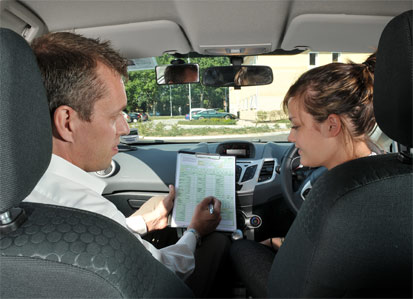
You’ll be getting in the passenger seat to start with, while your trainer takes you to a quiet place for you to get to grips with the fundamentals.
3- The cockpit drill
Your trainer will have you change so you’re in the driving seat when you’ve arrived at a peaceful roadway with low traffic. Strange, huh?
Your instructor will describe the cockpit drill to introduce you to the checks you’ll require to do each time you drive.
The cockpit drill or DSSSM:
Doors securely closed?
Seat in a comfortable position?
Steering position established?
Seatbelts on?
Mirrors changed?
4- The controls
Next, you’ll get a review of the clutch, accelerator and brake, how to use the handbrake and indicator, and how to change gear.
Do not hesitate to ask if you can go through the controls once again due to the fact that you’ll wish to make certain when you’re unexpectedly doing 20 miles an hour and it seems like 120.
Do not stress too much though – your instructor will talk you through everything as you go.
2 hours is best for your very first lesson so you have a chance to discover your controls and get some driving in too.
Taking to the road in your very first driving lesson
You thought it: time to drive. Prior to you start the engine, your instructor will describe a few key procedures:
Driving you’ll learn more about in your very first lesson:
Moving off: preparing yourself to utilize your equipments
Clutch control including finding the biting point
Examining your mirrors and blind spot
Signalling with your sign
Altering equipment
Stopping the cars and truck, covering the brake and the clutch
Curb-side parking
When you start, attempt to unwind and remember that your trainer has their own set of controls so you can focus on learning without being frightened.
If you get the possibility, do move out onto the roadway so you can experience ‘appropriate’ driving. You won’t regret it!
6- After your first driving lesson
Once your time is up, your trainer will drop you house. Have a chat about how you found the lesson and anything you think you need more work on next time.
Some driving trainers use discount rates for block bookings, so see if you can reserve the very same slot for a number of weeks at a time. Ideally, you must have 2 or 3 lessons a week to minimise time between lessons so you don’t forget what you’re discovering.
Do not rush. Everybody finds out at their own speed and it is necessary to be completely prepared when you take your test. Read our recommendations about how many driving lessons you’ll need if you’re wondering how long it’ll take you to get to driving test time.
You’ll be great
Consider the silliest individual you know who can drive a vehicle. If they can do it, you’ll have no trouble.
And if you consider a question, ask it. I ensure it’s not the stupidest thing your trainer will have heard (I can probably declare that one).
The day you get behind the wheel for what is most likely the first time. Are initially driving lessons scary? Some driving trainers will call the doorbell, some will wait in the car for you – so keep an eye out. My driving trainer was frequently early so I ‘d go out straight away to get a free 5 minutes!
If you’re questioning how long it’ll take you to get to driving test time, read our recommendations about how many driving lessons you’ll need.
Understanding what to anticipate in your very first driving lesson is the simplest method to soothe your nerves and ensure that you leave to a great start behind the wheel.
Your first driving lesson
Your first driving lesson typically takes place a while after scheduling a driving lesson plan. It’s the first time you’ll satisfy your driving instructor in addition to being your very first time behind the wheel, so it’s natural to feel a little anxious beforehand.
What to bring to your first driving lesson
Your provisional licence
Comfortable shoes
If you wear them), your glasses (.
A bottle of water.
A jumper.
What takes place on your very first driving lesson.
On your very first driving lesson, do not expect to support the wheel quickly, particularly if you get picked up somewhere busy. Your driving trainer will most likely drive you to a better location prior to changing seats with you and mentor you the fundamentals.
What do you perform in your very first driving lesson?
You’ll find out the cockpit drill.
You’ll be introduced to the car’s controls.
You’ll find out about clutch control.
You’ll find out how to safely move off and stop.
Your very first lesson walkthrough.
Your trainer will inspect your provisionary licence.
Your driving trainer will wish to see your provisional driving licence to ensure that you’re legally enabled to drive. This only uses for your very first driving lesson, but make sure you keep in mind; you will not be allowed to drive without showing your trainer your provisional.
You’ll find a peaceful place to learn.
Depending on where your instructor is selecting you up from, you might not have the ability to leap straight into the driver’s’ seat and begin your very first driving lesson. If you live on a main road or in a location that gets a great deal of traffic, your trainer will probably ask you to being in the traveler seat and will then drive you to a better location such as a quiet property street or maybe an industrial estate.
You’ll learn the cockpit drill.
The cockpit drill is essentially simply setting up the automobile’s seat and mirrors correctly. Sounds basic, however it’s actually, actually important. Your trainer will most likely spend an excellent chunk of your very first lesson discussing how to set up the automobile. It’s not the most thrilling lesson you’ll find out, but it’s an essential one. You can conserve yourself a bit of time by practising establishing the mirrors in your own/your moms and dads’ cars and truck or reading our guide to the cockpit drill.
You’ll begin with the fundamentals.
Don’t anticipate to dive directly in and start discovering reverse around a corner, your very first driving lesson will focus on the most fundamental elements of learning to drive. You’ll be presented to all the cars and truck’s controls, from the windscreen wipers to the heating unit dials, and you may start finding out how to safely move off and stop. You’ll certainly start discovering clutch control and how/when to inspect your blind spots.
You will get to drive.
You ought to get to drive prior to the lesson is over. You will not be doing 50mph on a dual carriageway, however you’ll almost certainly get to do a few laps or a housing or industrial estate at a sensible speed. Believe us, on your very first driving lesson, even 30 mph seems like you’re flying.
You’ll probably stall, which’s okay.
Stalling is the bane of almost every student driver and it can be actually simple to let a couple of stalls irritate you. Don’t let stalling destroy your very first driving lesson, it’s a perfectly typical part of discovering clutch control and it’s nothing to get stressed about. Your instructor has most likely taught hundreds if not thousands of students and will have plenty of suggestions to help you to get the hang of using the clutch.
Your trainer will probably spend a good chunk of your first lesson explaining how to set up the car. Don’t expect to dive straight in and start learning reverse around a corner, your first driving lesson will focus on the many fundamental components of finding out to drive. You should get to drive prior to the lesson is over. Believe us, on your first driving lesson, even 30 miles per hour feels like you’re flying.
Don’t let stalling destroy your first driving lesson, it’s a completely regular part of finding out clutch control and it’s nothing to get stressed out about.
Finding an excellent driving instructor does not need to be down to luck or aimlessly trawling through Google without any concept of what to try to find.
Discovering an excellent instructor is the 2nd action towards passing your test after getting your provisionary licence and many students hear scary stories of driving instructors either not being great teachers, or even worse, crossing the line between an expert student and student relationship.
We have actually created a handy guide to assist you discover a great regional driving instructor who will have you test ready in no time.
Word of Mouth
Good old made word of mouth. In a world filled with online search engine, apps and social media, you’ll probably be shocked to hear that word of mouth recommendation is the very best way to find a great driving trainer. Word of mouth relies on thinking the review and decision of your most trusted friends or household members, as opposed to solely relying on reviews online.
If you have a good friend or family member who has actually provided a particular driving trainer or driving school rave reviews, then you’re most likely on to a winner. Take word of mouth examines as the most credible evaluation of a driving trainer in this short article.
If someone you rely on informs you to prevent a specific driving school, then you ‘d do well to follow their suggestions. Ask around and see who your buddies and household have heard great things about.
Trustpilot and Other Evaluation Websites
If you don’t have a word of mouth suggestion to rely on, then the next best thing is verified online evaluations. There are a lot of evaluation sites but the trick to knowing which examines to trust relies on the taking a look at the detail. Organizations utilizing a review platform like Trustpilot with approximately date and recent positive reviews can be an excellent indicator of how excellent the driving school could be.
Furthermore, sites like TrustPilot often have a feature that reveals whether or not the evaluation was from a verified customer. See a screenshot from our Trustpilot account listed below and observe the validated order icon next to the review.
As soon as you’re positive that the evaluations are confirmed and as much as date, then you can be positive that the trainer will be good. It does not take much to identify bad driving schools by way of reviews either. Avoid like the plague if you see driving schools with consistently poor reviews.
Customer Support Quality
When you decide to select and get in touch with a driving school up the phone to schedule your first lesson, observe how the conversation goes. For a start, did they even get the phone? Obviously it’s regular for a service to not pick the phone up if they are hectic, however if you require to chase them consistently in order to have a discussion to get rates or availability, then that is a bad sign. Either they have bad customer service, or it isn’t their fault and they are merely too busy.
Poor customer service should set off an alarm bell and being too hectic ought to tell you that no matter how excellent their school may be, they just do not have the capability for you as a pupil.
If you do manage to get through, see if it’s possible to speak straight with the person who would be teaching you. For independent instructors, this is simple, however if you’re calling a big franchise, then it might be harder to talk to your trainer ahead of reserving a lesson.
Inspect That They Are Authorized by the DVSA
No matter how great the recommendations, evaluations or customer service is, if the instructor is not authorized by the DVSA then you should avoid them at all expenses. You will marvel the number of rogue operators there are across the UK who are unapproved by the DVSA.
If the trainer you have in mind is approved by the DVSA by browsing the DVSA authorized driving trainer database, you can see and check
The database will also show you which instructors are registered to the ADI code of practice, which is a framework that authorized driving instructors can offer to register to which specifies a number of rules of conduct covering conduct in lessons, the quality of the vehicle, and standards of service. Since the scheme is voluntary it does not always mean that the instructors not signed up aren’t proficient at their task, but it can offer additional convenience when scheduling. The main takeaway from this point is that the instructor needs to be authorized by the DVSA.
Discovering a good instructor can be tough, however luckily here at https://www.anewdriver.ie, we work with numerous approved ADI’s. You can use our helpful find a trainer tool to help you get going. We likewise provide insurance coverage for learner chauffeurs who wish to do private practice in addition to lessons.
In a world full of search engines, apps and social media, you’ll most likely be amazed to hear that word of mouth suggestion is the best way to find an excellent driving trainer. Once you’re confident that the reviews are confirmed and up to date, then you can be positive that the trainer will be good. The database will likewise reveal you which instructors are signed up to the ADI code of practice, which is a structure that authorized driving trainers can volunteer to sign up to which mentions a number of rules of conduct covering conduct in lessons, the quality of the automobile, and requirements of company. Because the plan is voluntary it does not necessarily imply that the instructors not signed up aren’t good at their job, but it can supply additional comfort when reserving. Discovering a good instructor can be tough, however fortunately here at https://www.anewdriver.ie, we work with hundreds of approved ADI’s.
You are most likely to feel nervous on your first driving lesson. This is quite natural and remains in truth an advantage. Those learner motorists who are overconfident, or feel they know whatever could be in for a nasty shock when they try to drive to the requirements anticipated by the DVLA. Most importantly, a few nerves will heighten your awareness, and make you more focussed.
To help keep your nerves in check, let’s take a look at a few things you could expect on your very first driving lesson:
The lorry and trainer
All expert driving schools have double control automobiles. This suggests, especially throughout the early stages of learning, you can be assured that if something goes wrong, the trainer can keep you safe although you lag the wheel.
They will get to know you so they can comprehend what you are capable of accomplishing in each lesson. Your trainer will take you to the next level once they recognise that you are confident to continue.
First things first
The first thing the trainer will do is check that you are legal to drive, so he will require to see your provisionary license. , if you do not yet have a provisionary licence you can get one online here.. Your first lessons require to take place on quiet, even isolated roadways, so it is not likely your first lesson will begin from outside your door. The trainer will drive to an acceptable location where you can learn the fundamentals of the automobile manages safely.
This will take about 30 minutes of your very first lesson. Of course, if you a quick learner, or currently have an excellent understanding of a car on your very first lesson, you might be doing 3 point turns, emergency stops and parallel parking prior to the end of the session.
Moving off and stopping
Yes, it is likely you will be driving on your very first lesson. This whole procedure will include procedures which you may struggle with at first (pulling away; using the gears properly; and pulling in close to the kerb) however as the lessons advance you will find whatever eventually falls into place.
If paced well, your lessons need to be a pleasurable experience. A trainer will teach you most effectively when they understand your needs, so tell them how you are feeling, if things are going too quick, or if there is something you don’t understand.
You are likely to feel worried on your first driving lesson. They will get to understand you so they can understand what you are capable of achieving in each lesson. Your very first lessons need to take place on quiet, even separated roadways, so it is not likely your very first lesson will start from outside your door. Of course, if you a fast learner, or currently have a good understanding of a car on your very first lesson, you might be doing 3 point turns, emergency situation stops and parallel parking prior to the end of the session.
Yes, it is most likely you will be driving on your first lesson.
What to anticipate on your very first driving lesson
Knowing what to expect in your first driving lesson is the easiest method to soothe your nerves and make sure that you get off to an excellent start behind the wheel.
Your very first driving lesson
Your first driving lesson generally happens a while after scheduling a driving lesson plan. It’s the first time you’ll satisfy your driving trainer as well as being your first time behind the wheel, so it’s natural to feel a little nervous beforehand.
What to give your first driving lesson
Your provisional licence
Comfy shoes
If you use them), your glasses (.
A bottle of water.
A jumper.
What occurs on your first driving lesson.
On your very first driving lesson, don’t anticipate to support the wheel quickly, specifically if you get gotten someplace hectic. Your driving instructor will most likely drive you to a better area prior to changing seats with you and mentor you the fundamentals.
You’ll be introduced to the automobile’s controls.
You’ll discover clutch control.
You’ll discover how to securely move off and stop.
Your very first lesson walkthrough.
Your trainer will check your provisional licence.
Your driving trainer will wish to see your provisional driving licence to ensure that you’re lawfully enabled to drive. This only applies for your very first driving lesson, however ensure you keep in mind; you will not be enabled to drive without showing your instructor your provisional first.
You’ll discover a quiet location to discover.
Depending upon where your instructor is selecting you up from, you may not be able to leap straight into the driver’s’ seat and begin your very first driving lesson. If you survive on a main road or in an area that gets a lot of traffic, your instructor will probably ask you to being in the passenger seat and will then drive you to a better suited location such as a peaceful domestic street or perhaps an industrial estate.
You’ll learn the cockpit drill.
The cockpit drill is essentially simply establishing the vehicle’s seat and mirrors properly. Sounds simple, but it’s really, actually essential. Your instructor will probably invest a good chunk of your very first lesson describing how to set up the vehicle. It’s not the most exhilarating lesson you’ll discover, but it’s an important one. You can save yourself a bit of time by practising setting up the mirrors in your own/your parents’ automobile or reading our guide to the cockpit drill.
You’ll begin with the basics.
Don’t expect to dive directly in and begin learning reverse around a corner, your very first driving lesson will concentrate on the most standard elements of discovering to drive. You’ll be introduced to all the automobile’s controls, from the windscreen wipers to the heater dials, and you may start finding out how to securely move off and stop. You’ll certainly start finding out about clutch control and how/when to inspect your blind spots.
You will get to drive.
You must get to drive prior to the lesson is over. You won’t be doing 50mph on a double carriageway, however you’ll likely get to do a few laps or a housing or industrial estate at a practical speed. Believe us, on your first driving lesson, even 30 mph feels like you’re flying.
You’ll most likely stall, which’s fine.
Stalling is the bane of nearly every student driver and it can be actually easy to let a couple of stalls frustrate you. Do not let stalling ruin your first driving lesson, it’s a completely regular part of learning clutch control and it’s absolutely nothing to get stressed about. Your trainer has actually most likely taught hundreds if not thousands of students and will be full of tips to assist you to master utilizing the clutch.
Your instructor will probably invest a good chunk of your first lesson explaining how to set up the car. Don’t anticipate to dive straight in and start discovering reverse around a corner, your first driving lesson will focus on the most fundamental aspects of learning to drive. You must get to drive prior to the lesson is over. Think us, on your first driving lesson, even 30 mph feels like you’re flying.
Don’t let stalling ruin your first driving lesson, it’s a perfectly normal part of discovering clutch control and it’s absolutely nothing to get stressed about.
Feeling a bit tense prior to your first driving lesson is to be expected. Every driver on the road today has been where you are right now. They all made it through that first lesson, and beyond– and so will you!
Why am I so nervous?
If you’re feeling nervous, don’t fret, it’s completely natural. What you’re feeling is the fear of the unexpected. It’s the reason any brand-new scenario makes us nervous.
Let’s eradicate the nerves by preparing you for what to expect from your first lesson. When you understand what’s turning up, your mind has something tangible to focus on.
What to expect from my first driving lesson?
The pickup
Your driving instructor will have organized a pickup location with you– more than likely your home, or outdoors your college, work or school. You do not need to support the wheel just yet! Your instructor will pick you up and drive you to a peaceful street devoid of traffic– the ideal place for you to get to know the essentials.
The cockpit drill
OK. Now it’s time to change so you remain in the driver’s seat. While parked, your instructor will talk you through the DSSSM cockpit drill– how every vehicle driver should start their journey:
Doors safely closed?
Seat in a comfy position?
Steering position developed?
Seat belts on?
Mirrors adjusted?
Learning more about the automobile
Now your trainer will talk you through the vehicle control’s, including your ABC– accelerator, brake and clutch. You’ll discover how to operate the indicators, mirrors, handbrake and the gear stick.
Getting moving!
Depending on the length of your lesson, you must now get the possibility to really drive. This can be a challenging minute but it’s worth remembering that– thanks to the magic of double control vehicles your trainer is every bit as in control of the cars and truck as you are, so don’t worry about making mistakes.
Prior to you get going, your instructor will talk you through a few of the driving fundamentals, which may consist of:
Moving off– this is a phrase you’ll hear a lot. It implies getting the car and gears all set for driving off from a fixed position
Clutch control– how to discover and run the clutch, including discovering the bite point
Signalling
How and when to alter gear
How to stop the cars and truck– manner ins which you can use the brake, handbrake and clutch to slow and stop
Fundamental parking– pointers for how to park at the kerb
You’ll normally just drive a very brief range, and along a straight road, just to get you accustomed to the feel of the car and the standard controls.
End of lesson
And that’s it. Your instructor will then drive you back to your drop off point and you can have a chat about how the lesson went, and what you’ll cover in the next lesson
, if you’re happy with your instructor you may desire to talk to them about making a block booking as this can work out more affordable than scheduling private lessons.
Practical prep suggestions for your very first driving lesson.
When should you reserve?– whether you’re an early riser or a night owl, pick the time of day when you feel best
2-hour lessons– it’s a good concept to schedule a longer 2-hour lesson at. This provides you time to get gotten, driven to your lesson place, go through the basics and have a shot at driving
Sleep– try to get a good night’s sleep beforehand and do not drink the night before
Provisionary licence– ensure you have actually got this with you for your very first lesson so your instructor can see it
What to wear– adhere to flat shoes with versatile or thin soles so you can feel the cars and truck respond better to what you’re doing. Comfortable clothing will help you relax and manoeuvre more easily
Speak with others– have a chat with loved ones who head or drive to a newbie driver forum to pick up suggestions and stories from those who have actually existed before
Ask concerns– do not hesitate to ask your instructor a lot of questions. Do not fret if you believe your questions silly, trust us, instructors have actually heard them all previously. They’re there to assist, and having your questions responded to will immediately improve your self-confidence
Feeling a bit jittery prior to your very first driving lesson is to be expected. They all made it through that very first lesson, and beyond– and so will you!
Your driving instructor will have set up a pickup area with you– most likely your home, or outside your work, school or college. Your trainer will select you up and drive you to a quiet street complimentary from traffic– the perfect location for you to get to understand the basics.
While parked, your instructor will talk you through the DSSSM cockpit drill– how every vehicle driver must start their journey:
How You Can Overcome Anxiety In Your Driving Test -Top 10 Tips
Everyone has experienced that feared feeling of anxiety, whether your stomach sinks into an endless pit, or you’re drowning in a swimming pool of sweat, we have actually all existed. Your useful driving test can often be one of those intimidating scenarios that can cause your stress and anxiety to spike. This article is not just going to provide you with pointers that will assist you overcome stress and anxiety in your driving test, it will likewise provide you with ideas that will assist you get rid of stress and anxiety in your daily life.
Sleep # 1.
Sleep is shown to restrict the levels of anxiety, and the last thing you would desire to be in your driving test is tired. Do yourself a favour and get an excellent night’s sleep to assist you get rid of the stress and anxiety in your driving test.
Caffeine # 2.
It’s a cold crisp early morning, your driving trainer is set to get here in the next 30 minutes to choose you up for your test. Perfect time to have a coffee and get energized? Caffeine is a stimulant and is understood to set off the flight or battle reaction, this isn’t Ideal when you’re in your driving test.
Exercise # 3.
Exercise is one of the very best things to do to lower anxiety and help your mental health. Exercise will not only increase endorphins, making you more delighted and unwinded, however it will assist clear your head. I’m not suggesting you do a workout that Dwayne “The Rock” Johnson would take pride in, but simply doing some gentle exercise like having a 10-minute jog will calm your nerves and will provide you a more positive state of mind prior to entering your test.
Get Up Earlier # 4.
Getting up previously isn’t necessarily going to lower stress and anxiety, but being late is definitely going to increase it. On the day of your test, make certain to leave plenty of time before you head out. Use that time to unwind, clear your head and remember all the terrific advice your instructor has provided you. Because you didn’t leave sufficient time, there is absolutely nothing worse than rushing.
I know we all want to pass the first time, however in some cases the pressure of passing the very first time increases stress and anxiety. The last thing you need to do is contribute to your concerns, kick back and relax, concentrate on the test and not on passing the very first time. I made this mistake myself, I was so wrapped up in being the very first person in my family to pass the first time, that I ended being the person who stopped working the most times (which is nothing to ashamed about either due to the fact that it doesn’t matter). In fact, 45.7% of young drivers pass their test very first time.
Be Positive # 6.
This one is reasonably basic yet can be so hard to keep in mind. You’re being in the waiting space at the test centre, you’re jiggling your leg just to develop some kind of diversion however it isn’t altering the voice in your head saying “Am I going to fail?” Sometimes your moms and dads and friends saying “you have actually got this” isn’t quite sufficient. When you’re waiting to take your test, alter your thoughts into favorable ones, this will remove the negative self-talk and will make you feel more favorable.
Motivation # 7.
Inspiration is a great way to change your mindset, although it can be tough to get encouraged about taking a driving test. All you want is the end result of passing the test. To conquer your anxiety in your driving test, you require to look at why you desire to pass your test.
Acknowledge your errors and after that ignore them # 8.
You will make small mistakes. Believe of how numerous people pass with no minors if just 47% of people pass very first time! If you break a little too hard, stall or take a couple of attempts at a manoeuvre, simply acknowledge the error, breathe, remain relaxed and keep trying. There is no point in letting one small, become 3 majors since you dwell on mistakes.
Do Not Tell Individuals About Your Test # 9.
Taking your driving test frequently puts a lot of pressure on you. The included pressure of all your family and friends understanding that you’re in your driving test isn’t going to aid with your nervous ideas. Conquering the anxiety might be a struggle, and not telling all of your pals might seem challenging, however in the test you will thank yourself. If you do not pass the first time is an interruption, fretting about what individuals will say to you. If you limit the variety of individuals who understand your test time and date, then you’ll feel less pressured.
Prepare # 10.
The more practice you get, the much better you feel. Make sure you practice in the car that you’re using to take your test. If you can’t pay for more driving lessons or you just want more private practice, you can get insured with https://www.anewdriver.ie.
Your useful driving test can often be one of those daunting circumstances that can cause your anxiety to spike. Sleep is proven to limit the levels of stress and anxiety, and the last thing you would desire to be in your driving test is tired. Do yourself a favour and get a good night’s sleep to assist you conquer the anxiety in your driving test.
The last thing you require to do is add to your worries, sit back and unwind, focus on the test and not on passing the very first time. To overcome your stress and anxiety in your driving test, you need to look at why you desire to pass your test.
Get in gear: your very first time in the driving seat
You’ve been studying, and now it’s time to put what you have actually learnt into practice behind the wheel. Booking your first driving lesson is interesting, but it may not take too long for the nerves to creep in. Let’s take a look at a few things you can do to help keep you calm, cool and gathered as you learn how to drive.
How to prepare for your very first driving lesson
Review the Highway Code – not just will it assist you when it comes to taking your theory test, it’ll keep the rules and regulations of the roadway fresh in your mind.
Choose a practical outfit. Try to use something comfy that you can move around in and avoid any restrictive clothes and shoes. High heels and flip flops, in particular, aren’t ideal when driving.
Remember your provisional licence – your trainer will check that you have it. You can’t legally lag the wheel without one so it’s an outright should for your very first driving lesson. You may likewise be asked for your check code, so your instructor can examine your online licence equivalent.
Ensure you’re fit to drive. Prevent drinking the night prior to and keep in mind to bring your glasses or contact lenses if you need them.
Don’t stress – you will not get in the driving seat quickly. Your instructor will drive you to a quiet road where you’ll discover all the principles of the automobile controls. This includes the equipments, the pedals, and what’s called the cockpit drill.
What’s a cockpit drill?
This is a workout that all motorists should perform when they get in the automobile, and it’s usually one of the first things you’re taught. The cockpit drill (often known as the DSSSM regimen) consists of checking your doors, seat, steering, seat belt and mirrors:
Doors– examine all doors are closed and secured before starting your engine.
Seat and steering– adjust your seating so that the controls are within easy reach and you have a clear view of the road. If you’re in a mishap, you should also change your headrest to prevent whiplash.
Seat belt– make certain you and your guests are buckled in.
Mirrors– position your mirrors to minimise your blind spots.
How do I move off?
When it comes to the huge minute– taking control of the automobile– you’ll have to move the automobile off and reveal that you can securely do the ‘Prepare, Observe, Move’ regular:
Prepare – getting the lorry all set to retreat when the roadway is clear
Press and hold the clutch down with your left foot.
Select first equipment.
Press the gas pedal down with your ideal foot until you’re at about 1500-2000 rpm.
Bring the clutch up gradually up until you find the biting point.
Be ready to release the handbrake at the correct time.
Observe– showing your trainer that you understand your surroundings
Check all around the cars and truck looking for anything that may affect your driving plan.
Examine both shoulders.
Move– confidently moving the vehicle off when you’re safe to go
Release the handbrake.
Release the clutch gradually while gently putting your foot down on the gas pedal.
Alleviate up on the gas and control the speed of the lorry utilizing the clutch pedal if you find you begin to move off too quick.
Re-check your mirrors and blind spots and move your cars and truck to the normal driving position.
What if I slip up?
It’s typical to be anxious when you’re learning to drive – and you’re not expected to master whatever immediately. Driving is something you improve at with time and practice. Even drivers who’ve been on the road for several years are still enhancing. Do not stress about making an error – your trainer’s seen it all previously.
In the (not likely) case of something failing, felt confident that your instructor can control the automobile. All expert driving schools utilize dual controlled vehicles, which means your instructor can step in if you require some assistance.
Reserving your very first driving lesson is amazing, however it might not take too long for the nerves to creep in. You can’t lawfully be behind the wheel without one so it’s an absolute should for your first driving lesson. Your trainer will drive you to a peaceful road where you’ll discover all the principles of the automobile controls. It’s regular to be worried when you’re learning to drive – and you’re not anticipated to master everything directly away. Driving is something you get better at with time and practice.
Feeling a bit tense prior to your first driving lesson is to be anticipated. Every driver on the road today has actually been where you are right now. They all made it through that very first lesson, and beyond– and so will you!
Why am I so nervous?
If you’re feeling distressed, don’t worry, it’s completely natural. What you’re feeling is the fear of the unexpected. It’s the reason that any brand-new scenario makes us nervous.
Let’s get rid of the nerves by preparing you for what to anticipate from your first lesson. When you know what’s turning up, your mind has something concrete to focus on.
What to anticipate from my first driving lesson?
The pickup
Your driving instructor will have arranged a pickup place with you– more than likely your home, or outdoors your college, work or school. You don’t require to get behind the wheel just! Your trainer will choose you up and drive you to a peaceful street free from traffic– the ideal place for you to be familiar with the fundamentals.
The cockpit drill
OK. Now it’s time to switch so you’re in the driver’s seat. While parked, your instructor will talk you through the DSSSM cockpit drill– how every vehicle driver needs to begin their journey:
Doors safely closed?
Seat in a comfortable position?
Steering position established?
Seatbelts on?
Mirrors changed?
Learning more about the cars and truck
Now your trainer will talk you through the cars and truck control’s, including your ABC– accelerator, brake and clutch. You’ll find out how to run the signs, mirrors, handbrake and the gear stick.
Getting moving!
Depending upon the length of your lesson, you must now get the possibility to really drive. This can be an intimidating moment however it deserves bearing in mind that– thanks to the magic of dual control cars and trucks your instructor is every bit as in control of the vehicle as you are, so don’t fret about making mistakes.
Prior to you get going, your trainer will talk you through a few of the driving essentials, which might include:
Moving off– this is a phrase you’ll hear a lot. It indicates getting the vehicle and gears all set for driving off from a stationary position
Clutch control– how to discover and run the clutch, consisting of discovering the bite point
Signalling
How and when to change gear
How to stop the cars and truck– ways that you can use the brake, handbrake and clutch to slow and stop
Fundamental parking– ideas for how to park at the kerb
You’ll usually just drive a really brief distance, and along a straight road, simply to get you accustomed to the feel of the cars and truck and the fundamental controls.
End of lesson
Which’s it. Your trainer will then drive you back to your drop off point and you can have a chat about how the lesson went, and what you’ll cover in the next lesson
If you more than happy with your instructor you might wish to talk to them about making a block reservation as this can exercise more affordable than booking specific lessons.
Practical prep suggestions for your first driving lesson.
When should you book?– whether you’re an early bird or a night owl, choose the time of day when you feel freshest
2-hour lessons– it’s an excellent concept to schedule a longer 2-hour lesson at. This provides you time to get gotten, driven to your lesson place, go through the basics and have a shot at driving
Sleep– try to get a good night’s sleep in advance and don’t drink the night before
Provisionary licence– make certain you have actually got this with you for your first lesson so your trainer can see it
What to wear– adhere to flat shoes with thin or versatile soles so you can feel the automobile react better to what you’re doing. Comfortable clothing will help you relax and manoeuvre more easily
Talk to others– have a chat with friends and family who drive or head to a novice driver forum to get tips and stories from those who have actually been there in the past
Ask questions– don’t be afraid to ask your trainer a lot of concerns. Don’t worry if you believe your concerns silly, trust us, trainers have actually heard them all previously. They exist to assist, and having your concerns addressed will instantly increase your self-confidence
Feeling a bit tense prior to your very first driving lesson is to be anticipated. They all made it through that very first lesson, and beyond– and so will you!
Your driving trainer will have arranged a pickup location with you– most likely your house, or outdoors your work, school or college. Your instructor will pick you up and drive you to a quiet street totally free from traffic– the perfect place for you to get to understand the fundamentals.
While parked, your trainer will talk you through the DSSSM cockpit drill– how every motorist should begin their journey:






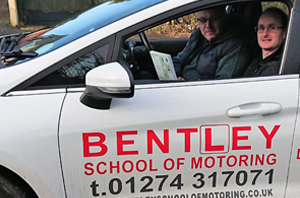
 The pickup
 The cockpit drill
 Learning more about the automobile
 Getting moving!
 End of lesson